How to Make a Pinhole Camera: A Step-by-Step Guide
Learn how to craft a pinhole camera from simple, affordable materials. This educational guide covers design options, hole sizing, exposure basics, loading paper, developing, and troubleshooting for beginners.


You will learn how to make a pinhole camera from affordable, readily available materials, how to estimate pinhole size and focal length, how to load light-sensitive paper, and how to develop your first images. This practical guide also covers testing, troubleshooting, and tips for getting sharper results while exploring the basics of light and exposure. how to make a pinhole camera
What is a pinhole camera and why it works
A pinhole camera is a simple optical device that uses a tiny aperture to project an image onto photosensitive material inside a lightproof body. When light rays pass through the hole, they travel in straight lines and form an inverted image on the back wall. The size of the hole and the distance from the hole to the image plane (the focal length) determine exposure and sharpness. Because there are no lenses, these cameras are inexpensive, teach core ideas about exposure and light, and are approachable for beginners exploring both photography and basic optics. This guide on how to make a pinhole camera introduces a hands-on way to learn photo basics without buying costly gear.
Design options and what you’ll need
DIY pinhole cameras come in several forms: a cardboard box with a small pinhole, a metal tin converted into a camera, or a hybrid build using household materials. Each design has trade-offs between bulk, light-tightness, and image size. For beginners, a cardboard shoebox or cereal box is the easiest starting point. As you plan, consider the distance you want between the pinhole and the back surface (focal length) and how you will seal the box to prevent leaks. This section also outlines a practical materials list and planning steps you can follow when preparing to begin your build.
Pinhole size, focal length, and exposure basics
The key variables are the pinhole diameter and the focal length (distance from the hole to the film or paper). In most DIY builds, a pinhole diameter around 0.3–0.5 mm works well for focal lengths in the 40–100 mm range. Smaller holes yield sharper images but require longer exposures; larger holes brighten the image but can blur detail. Exposure depends on lighting, paper or film sensitivity, and the scene. Start with a sunny day and a short test exposure, then adjust based on results. Understanding these basics helps you iterate quickly when learning how to make a pinhole camera.
Materials and design sketches you can rely on
Before you cut, sketch a simple layout: choose your body (box or tin), decide where the pinhole will sit, and plan the back wall where you’ll mount the photo paper. Keep the interior black to reduce reflections, and plan light seals at every seam. A basic plan includes: a lightproof body, a pinhole backing, a back window for the paper, a shutter, and a method to load and unload the paper in a dim environment. This section connects theory to practice and helps you visualize the build before you start.
Building the light-tight body
Light leaks ruin exposures, so focus on a tight seal. Use black tape to cover seams, ensure any gaps are blocked with dark material, and line the interior with opaque paint or heavy paper. The lid should close completely with no light sneaking in. When constructing your body, verify that there is no light entering through any cracks by performing a simple “flash test” in a dim room—the camera should stay dark when the lid is closed in bright ambient light.
Making and mounting the pinhole
Creating a clean, tiny hole is the heart of the project. A thin aluminum foil with a pinhole made by a fine needle works well for DIY builds. Place the foil over a small mounting surface, drill or poke a round hole, and carefully smooth the edge to reduce diffraction. Mount the foil at the camera’s front with a small, darkened frame to protect the hole from unintended light. For better sharpness, aim for a rounded hole rather than a ragged edge and test a few holes with sample exposures.
Loading photosensitive material and exposing
With the lightproof back secured, load your photosensitive paper in a dim area or changing bag. Position the camera toward a bright scene and close the shutter to begin exposure. Exposures can range from a few seconds on sunny days to several minutes in shade; this depends on paper sensitivity and hole size. Keep a log of each exposure, noting the hole diameter and focal length, so you can compare results and refine settings in future attempts.
Developing, viewing, and refining images
After exposure, develop the paper using standard, beginner-friendly developer chemistry or use contact printing in a simple darkroom setup. Rinse and dry the paper to reveal the image. If the scene appears faint or blurred, adjust the pinhole size or focal length, or shorten/lengthen exposure in your next test. Documenting each test helps you build a reliable intuition for future photographs.
Troubleshooting common issues
If images are too dim, check for leaks, increase exposure, or use a larger pinhole. If the image is blurry, assess camera stability, ensure the shutter fully closes, and verify the hole edge for roughness. Light leaks around the back or seams create streaks; reseal and test again. Proper handling and testing will steadily improve results as you refine your technique.
Safety and care while you learn
Work in a safe, well-ventilated area when developing materials and handling chemicals. Wear gloves and eye protection as needed, and follow all safety guidelines on chemical containers. Store materials securely away from children and pets, and dispose of developing solutions according to local regulations.
Tools & Materials
- Cardboard box or small tin can(Lightproof; plan where the pinhole will be placed and where the back will be accessed.)
- Black electrical tape(Seal seams; block any potential light leaks.)
- Aluminum foil or thin metal sheet(For crafting the pinhole backing and protecting the hole.)
- Needle or pin(Create the pinhole; practice on scrap foil for best results.)
- Scissors or craft knife(Cut openings cleanly without jagged edges.)
- Ruler and pencil(Layout precise pinhole position and measurements.)
- Photographic paper or light-sensitive paper(Backs the image; easier for beginners than film.)
- Dark cloth or changing bag(Loading paper in a dim environment to avoid fogging.)
- Glue or double-sided tape(Secure components and seal edges.)
Steps
Estimated time: 2-3 hours
- 1
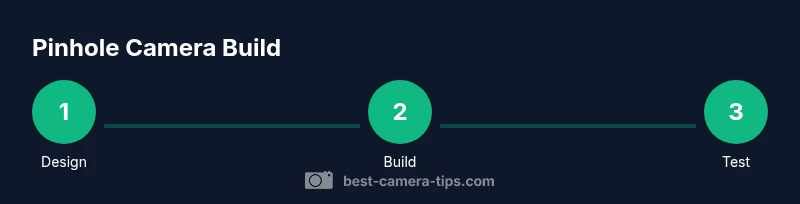
Define design and gather materials
Decide on a cardboard or tin body and assemble all materials from the list. Confirm the pinhole size you’ll aim for and visualize the back where the paper will sit. Planning now saves time later, especially when you’re working in dim conditions.
Tip: Lay out all items on a clean workspace to avoid misplacing parts. - 2
Prepare the camera body for light-tightness
Seal all seams and potential light paths with black tape. Inspect closures and the lid to ensure a complete seal when closed. Run a quick light test in a bright room by closing the lid and shining a flashlight at any seams; if you see glow, re-seal before proceeding.
Tip: A simple light-test helps you catch leaks early. - 3
Make and mount the pinhole
Mount the aluminum foil over a small frame and create a clean, round hole with a sharp needle. Edge polish the hole gently to reduce diffraction. Attach the foil to the front with tape or a small frame so the pinhole remains fixed and stable during exposure.
Tip: Aim for a round, smooth hole for better sharpness. - 4
Install back and shutter
Attach the back panel with a simple sliding shutter or a flap to cover the pinhole quickly. Ensure the back fits snugly and can be opened and closed without light sneaking in. A reliable shutter helps you control exposure precisely.
Tip: Test shutter action in low light to confirm it fully opens and closes. - 5
Load the photo paper in a dark environment
In a dim area or changing bag, place the paper on the back wall and align the pinhole with the scene frame. Make sure the paper is flat and all edges are supported to prevent curling. Close the back and confirm the light seal again after loading.
Tip: Avoid touching the paper surface with bare hands to prevent fingerprints. - 6
Expose and monitor the scene
Point the camera at a chosen subject and open the shutter. Start with a short exposure on a bright scene, then review results and adjust for subsequent shots. Keep notes on light conditions and hole size to guide future iterations.
Tip: A test exposure helps calibrate your future runs. - 7
Develop the exposed paper
In a dark or dim space, follow basic developer instructions for your paper. Rinse well, then dry the sheet flat. Handle carefully to avoid fingerprints and smudges that can obscure the image.
Tip: Label each sheet with date, focal length, and hole size for tracking progress. - 8
Assess results and iterate
Compare the latent image to your expectations, then adjust pinhole size, focal length, or exposure time in your next attempt. Maintain a simple log to build a practical intuition over multiple experiments.
Tip: Incremental changes yield clearer improvements over time.
Common Questions
What is a pinhole camera and how does it work?
A pinhole camera uses a tiny aperture to project an inverted image onto photosensitive paper inside a lightproof body. Light travels in straight lines through the hole, and the image size depends on the distance from the hole to the paper. No lens is involved, which makes the setup simple and educational.
A pinhole camera uses a small hole to project an inverted image onto paper inside a lightproof box, without any lens.
Can I use regular film in a pinhole camera?
Yes, you can use film, but many beginners start with photo paper because it’s easier to handle and develops quickly. If you use film, you’ll need a light-tight loading process and proper development steps.
Film can be used, but photo paper is simpler for beginners.
Do I need precise measurements for the pinhole?
A precise pinhole helps, but beginners can start with a rough hole using foil and a pin. It’s common to test a few hole sizes to see which yields the best balance of sharpness and exposure for your focal length.
You don’t need perfect precision at first; try a few hole sizes and test differences.
What exposure times should I expect?
Exposure times vary with light, hole size, and paper sensitivity. Start with a short test exposure on a bright scene (seconds to a few minutes) and adjust based on the result.
Exposure depends on light and hole size; begin with a short test exposure and adjust.
How do I develop the prints safely at home?
Developing prints should be done using standard photo chemistry with proper ventilation and protective gear. Always follow safety instructions on chemical containers and dispose of waste responsibly.
Work with proper safety gear and follow chemical instructions when developing at home.
Watch Video
The Essentials
- Experiment with simple DIY bodies to learn camera basics
- Small pinholes sharpen detail but require longer exposure
- Document every parameter for repeatable results
- Exposure varies with light conditions—test and log results
- Light-tight construction is essential for clean images