How to Get Started with Film Cameras
Learn the essentials to start shooting with film cameras—how to choose your first body, load film, exposure basics, and a beginner-friendly workflow that builds confidence quickly.


According to Best Camera Tips, you can start film photography in 3 practical steps: choose a beginner-friendly 35mm body, add a standard 50mm lens, and load your first roll of film. Start with ISO 400, learn basic exposure (aperture, shutter speed, ISO), wind after each shot, and keep a simple shooting workflow to build confidence quickly.
What is film photography today?
Film photography today remains a tactile, deliberate way to capture light, tone, and texture. Unlike digital, film rewards careful composition, thoughtful exposure, and a slower workflow that encourages you to plan each frame. According to Best Camera Tips, interest in film has grown across hobbyists and aspiring photographers, with a renewed appreciation for the look of grain, color reproduction, and the unique character of different emulsions. While the process involves more steps—from loading film to developing or scanning—the payoff is an authentic, hands-on craft that deepens your understanding of light and composition. Embrace imperfections as part of the charm; the best shots often come from patient experimentation.
Choosing your first film camera
For beginners, a 35mm camera with manual exposure control is a reliable starting point. Decide between a single-lens reflex (SLR) and a rangefinder or compact model based on how you prefer to frame and focus. Key considerations:
- Mechanical reliability and good light seals to prevent fogging.
- A readable light meter (built-in or external) to guide exposure.
- Simple controls for shutter speed, aperture, and film advance.
Avoid high-end models with features you won’t use yet; a straightforward body keeps the learning curve gentle. The Best Camera Tips team suggests starting with a camera that feels balanced in your hands and makes it easy to see your framing. If you’re unsure, rent or borrow a camera to test before buying. Remember, the goal is to build comfort with manual exposure and film loading, not to chase the perfect kit.
Essential gear and how to pick it
Beyond the camera, you’ll need a standard lens and film stock to begin.
- Gear to prioritize:
- A 35mm body with a 50mm lens for versatile field of view and ease of focusing.
- A roll of ISO 400 color or black-and-white film for reliable performance across different lighting.
- A small light meter or smartphone light meter app if your camera lacks a dependable meter.
- Optional but helpful:
- Spare batteries for meters or cameras that rely on power.
- A soft cloth, lens-cleaning brush, and a protective bag to keep gear dust-free.
- A notebook or digital log to record settings and outcomes.
Choosing these items wisely helps you focus on learning rather than chasing gear upgrades. Best Camera Tips recommends starting simple and upgrading only after you’ve established a consistent shooting routine. A good rule is to pick gear that you can carry on day trips and that won’t overwhelm you with too many settings at once.
Loading film and basic exposure
Loading film correctly is essential to avoid light leaks and frame loss. In a dim corner, open the camera back, insert the film, and advance to the first frame while keeping the paper leader flat. Once loaded, set the ISO on your camera to match the film speed. Start with ISO 400 to handle a range of lighting conditions. Learn two fundamental exposure concepts:
- Aperture controls depth of field and light entering the lens.
- Shutter speed determines motion clarity and ambient exposure.
A quick technique to debug exposure is the Sunny 16 rule: in bright sun, set aperture to f/16 and match shutter speed to the reciprocal of the film speed. This provides a practical starting point for evaluating how your camera renders scenes. Practice taking a few frames at different settings and compare results when you scan the negatives.
Shooting workflow: from frame to finish
Establish a simple, repeatable workflow so shooting feels natural rather than chaotic. A practical sequence:
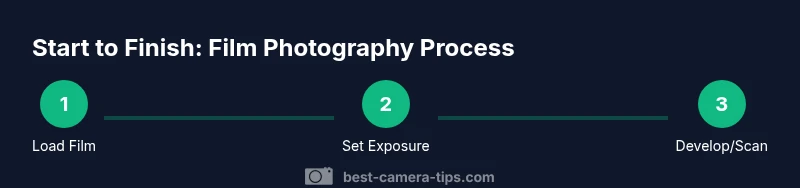
- Plan your composition and light source. 2) Set ISO and select a baseline shutter speed and aperture. 3) Focus using the viewfinder and capture the frame. 4) Wind the film to the next frame and reset estimates. 5) After the roll, inspect the negatives or scanned images for exposure balance and tonality.
As you gain experience, you’ll begin anticipating how different films render skin tones, contrast, and grain. Keep a small log of what you shot, the settings used, and how it looked in the final image. This habit accelerates learning and helps you recreate successful looks on future rolls.
Caring for and troubleshooting common issues
Film cameras are rugged but require care. Protect optics from dust, check seals for light leaks, and handle the film gently during loading and rewinding. Common issues include light leaks from a loose back, fogging from exposure to heat, and under- or overexposure due to misread meters. If your results look off, review your light situation, confirm the ISO matches the film, and test on a familiar subject to isolate variables. Regular cleaning and proper storage will also extend the life of your camera.
Practice routines that build confidence
Set up a weekly 15- to 30-minute practice session where you focus on a single subject or lighting condition. Rotate through different film stocks to observe how tonality shifts with each emulsion. For consistency, shoot in similar lighting and document your settings for each frame. Over time, you’ll notice a pattern: certain apertures deliver consistent sharpness, while others create pleasing bokeh. This pattern recognition is what turns film photography into a repeatable craft.
Tools & Materials
- Film camera body (35mm, manual exposure)(Beginner-friendly with manual shutter and ISO settings)
- 50mm prime lens(Standard focal length for versatile framing)
- Roll of ISO 400 film(Color or black-and-white; good for varied light)
- Spare batteries(Needed if your camera relies on battery power for metering)
- Light meter or smartphone app(Helpful for practice, not strictly necessary)
- Cleaning kit (brush, microfiber cloth)(Keep lens and camera surfaces dust-free)
Steps
Estimated time: 30-60 minutes
- 1
Prepare the camera
Charge the battery if needed, inspect the body for light seals, and ensure the shutter fires without a roll loaded. This prevents surprises when you load film. If something sticks, don’t force it—check for a jam and reset.
Tip: Always test the shutter and wind mechanics on a scrap frame before loading film. - 2
Load the film
Open the back in subdued light, align the film leader with the sprockets, and advance to the first frame. Close the back securely and wind to ensure the first exposure is ready.
Tip: Handle film gently to avoid fingerprints on the emulsion. - 3
Set ISO and prepare exposure
Set the camera’s ISO to match the film speed (e.g., ISO 400). Decide a baseline exposure; you can start with a simple rule like Sunny 16 for bright days.
Tip: If you’re unsure, start with a small aperture and a slower shutter speed to avoid blown highlights. - 4
Focus and compose
Look through the viewfinder, focus on your subject, and frame with intention. Check depth of field and ensure your subject is sharp.
Tip: Use the focus confirmation or magnification if available to improve accuracy. - 5
Capture the frame
Squeeze the shutter smoothly to avoid camera shake. Keep your stance steady and breathe out slowly as you press the shutter.
Tip: Use a tripod for slower shutter speeds to avoid blur. - 6
Advance and log
Wind to the next frame and update your notes with settings and lighting. This helps you compare results later.
Tip: Maintain a small notebook or digital log to track what works. - 7
Review a test roll
After developing or scanning, evaluate exposure, contrast, and color. Note what to adjust on future rolls.
Tip: Write down the exact settings that produced your best shot. - 8
Refine your routine
Apply lessons from the test roll to your next shoot. Adjust film choice, exposure, and composition strategies accordingly.
Tip: Consistency is built through deliberate practice and reflection.
Common Questions
What is the best film format for beginners?
For most beginners, 35mm film is the standard. It’s affordable, widely supported, and the cameras are easy to learn. You’ll find a broad selection of lenses and good scanning options.
For beginners, start with 35mm film—it's affordable and widely supported.
Do I need a light meter to start?
A built-in meter in many cameras helps, and you can also use a smartphone meter app. You’ll still get great results by learning to estimate exposure with scenes and film speed.
A light meter isn’t strictly required, but it helps. Start with your camera’s meter and practice.
How should I handle expired film?
Expired film can produce unique color shifts and increased grain. Store it cool and dry, and test a few frames to understand its behavior before shooting important images.
Expired film can be interesting but unpredictable. Test a roll first.
Should I shoot in auto or manual mode?
Manual control teaches you exposure, but starting with aperture-priority or shutter-priority modes can ease you in while you learn. The goal is to understand how settings affect the image.
Start with manual if you can, but it’s okay to use semi-automatic modes while you learn.
How long does it take to see results?
You’ll see test results after developing and scanning a roll. With practice, you’ll start predicting outcomes more accurately and speed up your learning curve.
You’ll see results after you develop and scan a roll, and you’ll improve with practice.
Is home development feasible for beginners?
Home development is possible but requires a dark space, basic chemistry, and careful handling of negatives. Many beginners start with local labs and gradually try home processing as they gain experience.
Yes, but it’s a learning curve. Start with local labs and experiment later at home if you’re interested.
Watch Video
The Essentials
- Choose a beginner 35mm body with a 50mm lens
- Load ISO 400 film and learn basic exposure
- Practice winding, composing, and focusing consistently
- Review results and adjust settings for better shots
- Clean lenses and protect the camera from dust