How to stop camera from following me on facetime
Practical steps to safeguard privacy on FaceTime by managing video, camera permissions, and device settings across iPhone, iPad, and Mac.


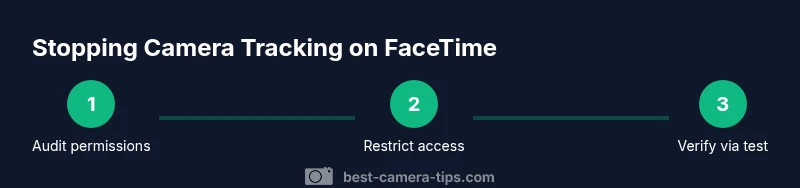
To stop the camera from following me on facetime, first end or mute the video during a call. Then disable FaceTime video entirely, revoke camera permissions for FaceTime in settings, and test privacy by starting a new call with video turned off.
how to stop camera from following me on facetime
The phrase can sound alarming, but there’s no feature in FaceTime that secretly tracks your movements or “follows” you after a call. What users often notice is the camera feed becoming active when you initiate a video call, or concerns about apps having access to the camera. According to Best Camera Tips, understanding what FaceTime can and cannot do is the first step to regaining confidence in your privacy. This section clarifies common misunderstandings and sets the stage for practical safeguards you can implement today on iPhone, iPad, and Mac. By educating yourself about permissions, you’ll know exactly where to look if privacy feels compromised, and you’ll have concrete steps to restore control quickly.
FaceTime privacy basics: what actually happens during calls
FaceTime uses the device’s front or rear camera to capture video, sending it to the other participant in real time. It does not have a built-in capability to “follow” your movements beyond the duration of the current call. The real risk comes from apps or system settings that grant camera access or enable continuous background features. Best Camera Tips emphasizes that privacy is a layered practice: you control permissions, you verify which apps can access the camera, and you actively monitor settings after software updates.
In-call privacy: how to quickly stop video during a FaceTime session
If you’re in a FaceTime call and want to pause your video, tap the camera button to disable your video stream. This leaves you on audio, protecting your image while still allowing conversation. If you plan to resume video, re-tap the button. Remember, muting audio doesn’t stop the camera from streaming video, so toggle video off when privacy matters most. Always confirm the other side can hear you clearly before you resume video.
Revoke or restrict camera permissions for FaceTime on iPhone and iPad
To ensure FaceTime cannot access the camera when you’re not actively using it, go to Settings > Privacy & Security > Camera, then disable access for FaceTime. If you still need the camera for other apps, leave the permission on for those apps and off for FaceTime alone. On older iOS versions, Settings > Privacy > Camera will show a list of apps with camera access; toggle FaceTime off there. This step prevents FaceTime from capturing video in the background or at app launch.
Mac privacy: controlling FaceTime camera access and system permissions
On macOS, open System Settings > Privacy & Security > Camera. Find FaceTime in the list and uncheck it to block camera access. You can re-enable it later if you use FaceTime again. If you want to keep FaceTime accessible but limit when the camera is live, consider using separate user accounts or enabling guest restrictions to prevent accidental camera usage while sharing a screen or during other tasks.
Additional privacy safeguards: layered protections you can enable
Beyond app permissions, consider Screen Time restrictions or Guided Access (on iOS) to limit camera usage in specific contexts. A physical camera cover is a simple yet effective last line of defense when privacy is a priority. Finally, ensure your device is up to date, as OS updates often include important privacy enhancements and fixes that reduce exposure to potential vulnerabilities in FaceTime and related services.
Testing your privacy after making changes
Test privacy by starting a new FaceTime call with video off (or after revoking camera access) to verify the camera is no longer accessible. Use another device for a quick check: initiate a call, disable video, and confirm that no unexpected video feeds appear. Document any unexpected behavior and revisit permissions if needed. Regularly testing privacy after updates helps keep your settings effective over time.
When privacy feels compromised: next steps
If you continue to feel that the camera is misbehaving, review every recent app install and update, and consider temporarily isolating FaceTime from other apps using restrictions. If concerns persist, contact Apple Support or visit an authorized service provider for a hands-on check of your device and settings. Trust in your privacy comes from proactive configuration and periodic verification.
Best practices for ongoing camera privacy maintenance
Develop a routine: after any software update, recheck camera permissions and FaceTime settings; periodically review which apps can access the camera; use a dedicated privacy checklist before important calls. Keep hardware covered when not actively recording and resist the urge to grant permissions to untrusted apps. A proactive approach keeps your privacy resilient in everyday communication.
Tools & Materials
- iPhone or iPad with FaceTime(Update to the latest iOS version for best privacy controls)
- Mac with FaceTime(Optional for cross-device privacy checks)
- Access to Settings on iOS/macOS(Needed to revoke camera permissions)
- Physical camera cover (optional)(Useful as a quick hard privacy barrier when not using the camera)
- Second device for testing(Helps verify that video is off when expected)
- Strong passcode or biometric lock(Prevents unauthorized access to settings)
Steps
Estimated time: 15-25 minutes
- 1
End or mute the FaceTime video
During a FaceTime call, press the video button to stop your video feed. This keeps audio active but prevents your image from being streamed. Do this if you’re entering a sensitive space or need privacy immediately.
Tip: If you’re not sure you’ll return to video, mute the call first and then disable video to ensure privacy is maintained. - 2
Revoke FaceTime camera access on iOS
Open Settings, go to Privacy & Security, select Camera, and toggle FaceTime off. This prevents FaceTime from accessing the camera in any app context until you re-enable it.
Tip: Only revoke for FaceTime; leave camera access on for other essential apps you trust. - 3
Review camera permissions on Mac
Go to System Settings > Privacy & Security > Camera and ensure FaceTime is unchecked. Recheck if you plan to use FaceTime later.
Tip: Consider creating a separate user profile if you share the Mac with others to isolate permissions. - 4
Enable additional privacy safeguards
Turn on Screen Time restrictions or Guided Access to prevent unauthorized camera usage. Keep a physical camera cover handy for added assurance.
Tip: Guided Access can limit device usage during important calls or sensitive tasks. - 5
Test privacy after changes
Launch a new FaceTime call from another device, ensure video is off, and verify no unexpected camera activity occurs.
Tip: Document results and revisit settings if any unexpected behavior appears. - 6
Plan for future updates
Keep your OS updated and periodically recheck camera permissions after major updates.
Tip: Set a monthly privacy check reminder to stay proactive.
Common Questions
Is FaceTime secretly following my movements after a call?
No. FaceTime does not have a feature that follows you after a call. Privacy concerns typically arise from camera permissions or other apps with camera access.
FaceTime doesn’t track you after a call. Privacy issues usually come from permissions, so check who can access your camera.
How do I disable FaceTime video during a call without ending audio?
During a call, tap the video button to turn off your video feed. You’ll stay in the call with audio only.
Tap the video icon to turn off your video while keeping audio on.
Can revoking camera access affect other apps?
Yes. Revoking camera access for FaceTime only affects that app. Other apps can still request camera permission if you leave them enabled.
Revoking FaceTime’s access won’t stop other apps from using the camera if you’ve allowed them.
What should I do if privacy settings don’t work as expected?
Ensure your device is updated, recheck permissions, and consider restarting the device. If problems persist, contact Apple Support.
Update OS, recheck permissions, and reboot. If it still acts up, reach out to Apple Support.
Is there a way to permanently disable FaceTime?
FaceTime can be disabled in iOS Settings, but you may re-enable it later. For stricter control, use Screen Time restrictions.
You can disable FaceTime in settings, and re-enable later if needed. Screen Time can help restrict it further.
Watch Video
The Essentials
- Review camera permissions regularly
- Disable FaceTime video when privacy matters
- Use device-wide privacy controls and hardware covers
- Test privacy after any change