How Much Does Camera Cleaning Cost? A Practical Guide
Learn how much camera cleaning costs, what affects price, and practical tips to budget. This data-backed guide covers professional services, DIY options, and price ranges for 2026.


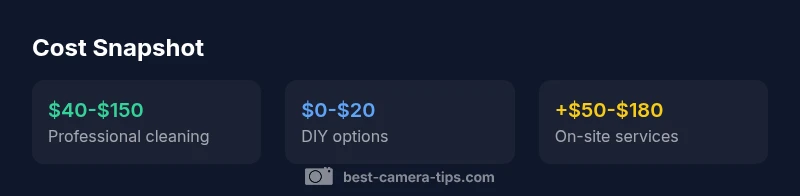
In 2026, professional camera cleaning typically costs between $40 and $150, depending on service scope and camera model. DIY cleaning supplies can keep costs under $20, while premium maintenance plans may push costs above $150. The exact price hinges on sensor access, calibration needs, and whether additional parts are serviced. This gives you a practical framework to evaluate quotes and choose the right option.
What influences camera cleaning costs
Pricing for camera cleaning is not a single number; it reflects a mix of service type, camera complexity, and the scope of work. According to Best Camera Tips, the biggest price driver is service type—whether you bring the camera to a shop, schedule a mobile/onsite visit, or opt for mail-in cleaning. In-store cleanings typically command higher base rates but can include immediate sensor checks and calibration tests, whereas mail-in or on-site services may reduce overhead but add logistics costs. The camera model also matters: full-frame sensors, high-end mirrorless bodies, or specialized cameras with delicate coatings require extra care and time, which naturally raises the price. The most sensitive portion of cleaning is the sensor, which demands skill and precise alignment; if sensor cleaning is included, you’re paying for additional technician hours and specialized tools.
Location effects pricing as well. Urban centers with higher labor costs generally see higher quotes than rural areas. Some shops tier pricing by the level of work—external clean only, full internal cleaning, or comprehensive service that includes lubrication of mounts, mirror box checks, and autofocus calibration. Finally, turnaround time can influence cost: same-day service or rush jobs often carry a premium. For aspiring photographers, it’s worth noting that a bundled maintenance plan may lower per-visit costs over time, but requires an upfront commitment to ongoing care.
Service types and their price implications
Different service models lead to different price brackets. In-store professional cleanings (the most common option) typically include a hands-on exterior clean, lens mount inspection, and a basic sensor check, with optional sensor cleaning as a premium add-on. On-site or mobile services bring the lab to your door and can be convenient, but the added travel and staffing costs usually push the base price higher. Mail-in cleaning can be cheaper per unit if you’re comfortable with longer turnaround times and ship logistics. DIY cleaning is the lowest-cost route if you have the right tools and a steady hand, but it carries the highest risk of causing damage if performed improperly—anything from dust on the sensor to misalignment can degrade image quality. Always weigh convenience and risk when selecting a service model.
When planning, create a simple rubric: base fee for the service type, add-ons for sensor cleaning or calibration, and any rush fees. This helps you compare quotes on a level field and avoid sticker shock when the final invoice arrives. Best Camera Tips recommends requesting a written quote that itemizes each step so you can see exactly what you’re paying for and decide if you want to skip optional services.
What’s usually included in a typical cleaning
A standard professional cleaning usually begins with a careful exterior wipe of the body, lens, and viewfinder, followed by a mounting surface inspection. If the service includes sensor cleaning, technicians perform a dust and oil assessment, possibly using specialized vacuum or air-blast tools and suction systems. Calibration checks for autofocus accuracy and color consistency may be included to ensure the camera and lens work together as designed. Some shops also lubricate or reseat internal components where needed, and review the mirror mechanism where applicable. It’s important to understand that optimal sensor cleaning requires protective handling and a dust-free environment; attempting sensor cleaning without proper training can leave micro-scratches or introduce new dust patterns. A reputable shop will also test after cleaning to verify image sharpness and color balance.
Regional price variations and market differences
Prices vary by country, state, and city. In North America, common quotes reflect a mix of shop rates and transportation costs, while in Europe price structures often factor in VAT and local labor costs. In regions with high living costs or strong demand for professional photography services, you’ll typically see higher minimums and longer wait times. Conversely, some markets with ample competition and independent technicians may offer lower base fees but fewer bundled services. Always ask for a clear breakdown by service tier and confirm whether the price includes consumables like cleaning swabs or required solvents. In all cases, the cost is a function of both time and expertise; a skilled technician can save you money in the long run by preventing repeated repairs caused by improper cleaning. Best Camera Tips notes that a careful comparison of quotes across several providers can surface meaningful differences in coverage and reliability, helping you choose better value rather than the cheapest option.
How to estimate costs for your gear
To estimate costs accurately, start by identifying your camera system and your cleaning needs. Is sensor cleaning included or a separate add-on? Do you require calibration checks for autofocus, white balance, and color grading? If you have multiple lenses, consider whether you want them serviced singly or grouped as part of a maintenance package. Request a written quote that lists the base cleaning, sensor service, calibration, lubrication, and any rush fees. If you use a service plan, ask about cancellation terms and whether you’ll receive any discount on future visits. For light external cleaning with no sensor access, you might lean toward a lower price point, while full maintenance including sensor and calibration will be at the higher end. In all cases, verify the technician’s credentials and confirm safe handling procedures—your gear is an investment, and proper cleaning protects resale value as well as immediate image quality.
Cost-saving strategies and practical tips
- Get multiple quotes and compare scope carefully; ask for a side-by-side breakdown to ensure you’re comparing the same services.
- Consider a maintenance bundle if you own multiple bodies or lenses; some shops offer annual plans that reduce the per-clean cost.
- If you DIY, invest in a reputable sensor cleaning kit and follow manufacturer guidelines; practice on non-critical gear before attempting your primary camera.
- Maintain a protective cleaning routine to minimize deep clean frequency: keep lenses capped, store cameras properly, and dust components using approved tools.
- Time your cleaning strategically; scheduling during off-peak periods can lower rush fees and labor rates.
- Check warranties and insurance coverage to see what’s covered in case of accidental damage during cleaning; some providers offer guaranteed damage protection as part of their service.
Choosing a provider: questions to ask before you book
Before committing, ask about the technician’s qualifications, the cleaning process in detail, and the expected turnaround time. Request references or reviews, and confirm whether the price includes any guarantees for returns if issues arise after cleaning. A trustworthy shop will explain the scope of work, provide a written estimate, and discuss any risks associated with sensor handling. If you’re particularly price-sensitive, explore bundles or seasonal promotions, but never compromise on safety or the credentials of the technician. A little due diligence now saves money and potential gear damage later.
[null]
Typical pricing by service type
| Service Type | Typical Price Range | What’s Included |
|---|---|---|
| Professional in-store cleaning | "$40-$150" | External cleaning, sensor check, basic calibration |
| On-site/mobile service | "$50-$180" | External cleaning, sensor check (where accessible), calibration options |
| DIY cleaning at home | "$0-$20" | Basic external cleaning, optional sensor handling (not recommended) |
Common Questions
What is the typical price range for professional camera cleaning?
Prices vary by region and service scope, but most professionals base quotes on whether sensor cleaning is included and the level of calibration required. A written estimate helps ensure you know what you’re paying for before work begins.
Prices vary by region and service scope; get a written estimate to know exactly what you’ll be charged.
Is sensor cleaning always included in the standard cleaning?
Not always. Many shops offer sensor cleaning as an add-on due to its complexity and risk. Always confirm sensor handling in the quote and whether it affects the warranty.
Sensor cleaning is often an add-on; always confirm its presence in the quote.
Are DIY camera cleaning methods risky?
DIY cleaning can save money but carries a real risk of scratching sensors or lens elements if not done correctly. Use approved tools and follow manufacturer guidelines, and consider a professional check if you’re unsure.
DIY can save money, but if you’re unsure, it’s safer to go with a pro.
How can I save on camera cleaning costs?
Shop around for quotes, ask for bundled maintenance plans, avoid unnecessary add-ons, and schedule during off-peak times. Regular minor cleanings can prevent more expensive deep cleans later.
Get multiple quotes and look for bundles to save in the long run.
Does cleaning affect warranty or resale value?
Professional cleaning performed by an authorized technician typically protects warranties and resale value. Always use reputable services and keep records of servicing.
A reputable cleaning helps warranties and resale value when documented.
How long does a typical camera cleaning take?
Turnaround can range from same-day in-store service to several days for mail-in or highly specialized cleans. Check the expected timeline in the quote and plan accordingly.
Most cleans take a few hours to a few days depending on the service and location.
“Regular camera maintenance doesn’t have to be costly, but investing in proper cleaning protects image quality and resale value over time.”
The Essentials
- Know price drivers: service type, sensor access, and calibration
- Get written quotes with itemized scopes
- Consider maintenance plans for long-term savings
- DIY options are cheapest but risk damage if misused
- Ask for sensor-cleaning eligibility before quoting
- Compare multiple providers for best value