Which Camera for Northern Lights: A Practical Guide
Discover which camera setups work best for northern lights photography. Learn about sensor performance, lenses, and cold-weather tips to capture vibrant aurora scenes with confidence.


Why northern lights demand specific camera choices
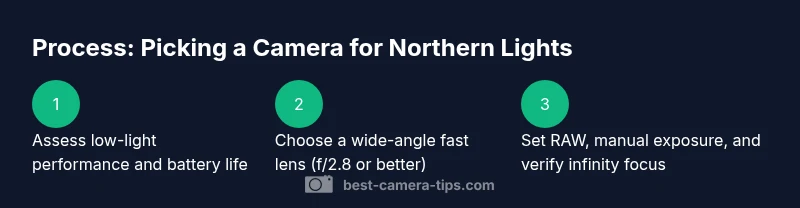
Photographing the aurora is a test of low-light photography. The aurora’s glow shifts quickly and often appears faint beside a dark sky, so you need a camera that resolves color without turning shadows into mush. According to Best Camera Tips, the most reliable aurora rigs emphasize long-exposure control, solid battery life in cold temperatures, and the ability to preserve detail in shadows and highlights. In practice, you’ll be working with wide fields and subtle color gradients, so sensor performance at high ISO matters, as does the lens sharpness across the frame. If you must pick between two similar bodies, favor the one with better autofocus in low light and longer battery life to last through late-night sessions. The goal is bright, clean greens and purples without excessive noise, while keeping foreground elements reasonably exposed for context.