How Much Camera Drone Costs in 2026: A Practical Guide
A practical guide to camera drone pricing in 2026, from entry-level to pro rigs, with ownership costs and smart buying tips for aspiring photographers.


How much camera drone costs in 2026 varies by capability, but a practical starting point helps budgeting. According to Best Camera Tips, price bands range from roughly US$299–399 for entry-level models to US$2,000–4,000 for professional rigs, with most buyers spending about US$500–1,200. When you add batteries, spare parts, and storage, total ownership costs exceed the sticker price. This quick snapshot helps frame your buying plan.
Why Price Is Only Part of the Equation
Price is the most visible line on a price tag, but the real cost of owning a camera drone extends well beyond the sticker. For 2026, the gap between an entry-level model and a pro rig is substantial, but so is the value you can extract from owning the right tool for your goals. The Best Camera Tips team notes that many buyers underestimate ongoing expenses such as batteries, memory cards, storage, and spare props. These recurring costs can accumulate quickly if you fly often or record high-frame-rate video. In practice, a drone’s practical value hinges on your intended use—recreational flight, documentary work, or security camera applications—and on how reliably you can maintain it over time. Understanding total cost of ownership (TCO) from the outset makes it easier to choose a model that fits both your budget and your ambitions.
Top Cost Drivers for Camera Drones
Germane to the “how much camera drone” question are several cost drivers that determine the final price you’ll pay over the drone’s lifetime. The up-front price is just part of it. Key factors include sensor quality and video resolution, flight time, and the quality of stabilization (gimbal). Additional drivers include obstacle-avoidance sensors, GPS reliability, remote controller features, and how compact or rugged the drone is for your environment. Accessories—extra batteries, high-volume microSD cards, charging hubs, and protective cases—also add up. Finally, regulatory requirements (registration, licenses, insurance) can translate into ongoing costs depending on your country.
Budget Ranges: Entry to Pro
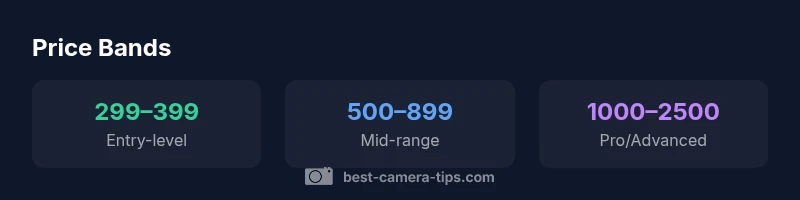
Entry-level cameras drones typically start around US$299–399 and cover basic aerial footage with modest sensor sizes and shorter flight times. Mid-range models, usually US$500–899, offer higher-resolution video (often 4K), better stabilization, and longer battery life. Pro/advanced drones commonly lie in the US$1,000–2,500 range or higher, delivering cinema-quality 4K/60fps, larger sensors, more robust obstacle sensing, and longer flight durations. When evaluating price bands, map your needs: casual hobbyist work can often be satisfied with entry-to-mid options, while professional work generally requires higher-end models and compatible accessories.
Hidden Costs and Long-Term Ownership
Total expenditure includes maintenance such as propellers, gimbals, and motor servicing, plus batteries that lose capacity over time. Memory cards and external storage add ongoing costs. Insurance may be optional but prudent, especially for frequent flyers or commercial work. Registration and licensing costs vary by jurisdiction and can recur annually. Firmware updates, service plans, and potential forced upgrades when features outpace requirements also factor into the long-term budget. Planning for these recurring costs helps avoid sticker-shock at renewal time.
How to Calculate Total Cost of Ownership
A practical TCO model starts with Purchase Price, then adds Annual Operating Expenses (AOO) multiplied by the expected years of ownership, plus one-time accessories, add-ons, and insurance. Subtract potential resale value at the end of your ownership. A simple framework:
TCO = Purchase Price + (AOO × Years) + One-time Accessories + Insurance – Residual Value (if sold). Use ranges to accommodate uncertainty in future prices and usage. For example, a US$700 drone with US$250/year AOO for 3 years plus US$300 in accessories and US$100 insurance yields a rough TCO of US$1,450 before resale.
Buying Guide: What to Prioritize
Prioritize features that impact your actual use-case costs. For photography, sensor size and dynamic range reduce post-production time and need for expensive lenses or filters. For security or indoor work, consider obstacle sensing and compact form factor for protection and portability. Battery life matters—more flight time reduces the frequency of recharges and spare batteries. Warranty, service, and the availability of spare parts are also critical to controlling long-term costs.
Leasing, Refurbished, and Used Options
If upfront cash is tight, exploring refurbished or leased options can lower initial costs while maintaining access to modern features. Refurbished units from reputable vendors often include limited warranties, but check condition and firmware before purchasing. Leasing can work for teams that need the latest technology without large upfront investment, though total cost over the lease term can exceed a direct purchase. Always verify return policies and warranties when considering used gear.
Regional Variations and Regulations
Costs and requirements vary by region. In the US, registration or licensing for some drone classes may apply, along with potential insurance and tax implications. In the EU, privacy rules and airspace regulations affect usage and compliance costs. In some markets, import duties and local taxes also influence total costs. When budgeting, account for regulatory expenses and the cost of legal compliance so you are not surprised by fees later.
Real-World Scenarios: Case Studies
Case A: A hobbyist purchases a mid-range drone (US$600–800) for weekend shoots and security demos. They budget US$120 annually for spare parts and US$50 for memory cards, with occasional discounts on bundles. Case B: A small production team routinely shoots in professional environments and opts for a pro drone (US$1,400–2,000) with up to US$300 in yearly maintenance and US$250 in insurance. The first model offers flexibility and lower risk; the second delivers higher image quality and long-term reliability.
Common price bands and specs
| Category | Typical Price Range | Key Specs |
|---|---|---|
| Entry-level | US$299–399 | 720p/1080p camera; basic stabilization; compact design |
| Mid-range | US$500–899 | 1080p–4K; improved stabilization; longer flight time |
| Pro/Advanced | US$1,000–2,500 | 4K/60fps; larger sensor; advanced obstacle sensing |
Common Questions
What is the typical price range for consumer camera drones in 2026?
In 2026, consumer camera drones typically range from US$299–899 depending on sensor size, video resolution, and features. Higher-end consumer models approach professional capability but remain within the 800–1,200 USD spectrum for most buyers.
Most consumer drones cost between three hundred and nine hundred dollars, with higher-end units closer to a thousand.
Is it cheaper to buy used or refurbished drones?
Used or refurbished units can save 10–30% if purchased from reputable sellers with warranties. Verify battery health, firmware status, and return policies before buying.
Yes, buying refurbished can save money, but check warranty and seller reputation.
What ongoing costs should I plan for?
Plan for batteries, spare props, microSD cards, storage, insurance, and occasional repairs. If you fly frequently, budget for 1–2 extra batteries per year and a protective case.
Expect batteries and parts to cost regularly; factor insurance if you fly for work.
Do regulations affect the total cost of ownership?
Regulatory costs vary by country and can include registration, licenses, and insurance. In some regions these can be annual or one-time fees that add to the budget.
Regulations can add fees, so check local rules before buying.
Are refurbished drones reliable long-term?
Certified refurbished units with warranties can be reliable, but verify the refurbishment process and ensure access to genuine spare parts.
Refurbished can be solid if backed by a warranty and reputable seller.
How should I estimate total cost for a purchase?
Set a purchase price, add annual operating costs, add expected years of use, include one-time accessories, and subtract any resale value. This yields a practical total cost of ownership.
Add up upfront price, yearly costs, and accessories, then subtract resale value.
“Total cost of ownership matters as much as the sticker price. A drone's value comes from how well it fits your workflow and how reliably you can maintain it.”
The Essentials
- Budget for total ownership, not just sticker price
- Identify your use case to select the right price band
- Plan for batteries, memory, and insurance from day one
- Consider refurbished or used options to save money
- Regulatory costs can affect total ownership more than you expect