How to Stop a Camera Jammer: Legal Protection Guide
Learn safe, legal steps to defend your surveillance setup from interference, report illicit jamming, and improve camera security with Best Camera Tips.


This guide explains how to respond to suspected camera interference legally and protect your surveillance setup from jamming. You’ll learn the difference between illegal jamming and legitimate interference, what steps to take, and how to work with authorities and vendors. This quick answer also outlines safe, compliant options for securing your footage and reporting any wrongdoing to the proper authorities.
Understanding the risk of camera interference and the legal landscape
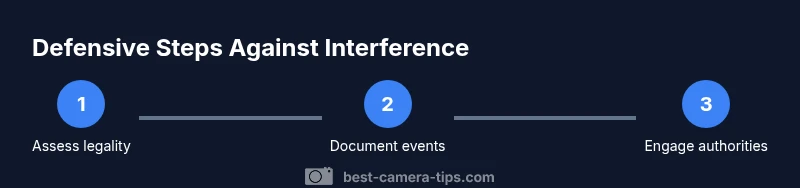
Camera systems operate within a framework of local laws and regulation that govern how video surveillance can be used and protected. When interference occurs—whether accidental from electronic devices, network congestion, or intentional acts—the first priority is to determine whether the situation qualifies as illegal jamming or a benign environmental disruption. According to Best Camera Tips, a prudent defense starts with legal awareness, clear documentation, and working with the appropriate authorities. This means knowing which agencies handle electronic surveillance issues in your jurisdiction, keeping records of events, and understanding vendor warranties and service options. By framing the issue in terms of compliance and safety, you set the stage for quick resolution and minimal downtime. In many regions, laws require you to avoid any actions that could worsen the interference and to report suspected wrongdoing promptly. As a home-security user, you should also ensure your setup is compliant with privacy protections and property rights, especially if cameras cover shared or public areas. The goal is to protect your footage and ensure public safety without violating regulations.
wordCountManualCheck
Tools & Materials
- Camera system documentation(Manuals, serial numbers, warranty terms)
- EMI-shielded enclosure or housing(Rugged, weatherproof options preferred)
- Tamper-evident seals(For equipment protection without altering operation)
- Evidence collection kit(Stable storage for logs, screenshots, timestamps)
- Notepad or logging app(Record disturbances, times, locations)
- Legal guidelines pamphlet or summary(Printed or digital copy of local regulations)
Steps
Estimated time: 1-2 hours
- 1
Assess legality and document interference
Review local laws on surveillance and interference. Begin a timestamped log of any interference events, including date, time, location, camera model, and observed symptoms (loss of signal, artifacts, or unusual noise). This provides a solid basis for reporting and prevents misinterpretation later.
Tip: Use synchronized clocks (UTC if possible) to avoid time discrepancies. - 2
Gather evidence and preserve data
Collect video clips, screenshots, and system logs that demonstrate the disturbance. Do not alter camera settings beyond normal troubleshooting. Secure physical evidence in a tamper-evident manner and back up data securely.
Tip: Keep digital copies in multiple secure locations to prevent loss. - 3
Notify building management or property owner
If you’re in a shared facility, inform the property manager or building security about the suspected interference. Provide the evidence gathered and request an inspection by qualified personnel or a licensed alarm company.
Tip: Document who you notified and when for accountability. - 4
Report to the appropriate authorities
Submit a report to local authorities or the regulator responsible for communications or public safety. Include your evidence packet and any relevant identifiers (camera IDs, locations, and incident times).
Tip: Ask about any required reporting forms or incident numbers to reference later. - 5
Coordinate with service providers for compliant testing
Work with your vendor or security provider to conduct non-intrusive tests that don’t contravene laws. Question whether third‑party interference could be a broader issue (e.g., radio frequency congestion) and seek guidance on remediation options.
Tip: Avoid attempts to disable or probe the jammer device directly. - 6
Implement protective measures within policy bounds
Upgrade to compliant protective housings, adjust camera placement to reduce exposure to interference, and ensure firmware updates are applied through official channels. Document these steps for future reference and audits.
Tip: Choose equipment certified for your region and verify vendor support availability.
Common Questions
What is a camera jammer and is it illegal?
A camera jammer is a device intended to disrupt video surveillance by blocking or distorting video signals. In most jurisdictions, operating, purchasing, or using such devices is illegal and can carry penalties. Intent and use matter for enforcement, so avoid creating or deploying jammers yourself.
A camera jammer blocks surveillance signals. Laws usually prohibit using them, and penalties apply if you operate one.
How can I tell if my cameras are being jammed?
Common signs include sudden loss of video, persistent artifacts, or abnormal noise in feeds. Cross-check with system logs and test the feed from different network paths. If interference is suspected, document events and consult a licensed professional.
Look for sudden video loss and weird artifacts. Check logs and contact a pro if it happens often.
What steps should I take if I suspect jamming?
Document incidents with times and locations, report to authorities, and contact your security provider for compliant testing. Avoid attempting to neutralize the interference yourself and rely on legal channels for resolution.
Record what you observe, report it, and work with licensed professionals.
Are there legal options to improve resilience against jamming?
Yes. Rely on compliant protective housings, proper camera placement, and certified equipment. Regular firmware updates and documented testing by authorized technicians can improve resilience without breaking laws.
Use certified gear, proper placement, and professional testing to stay compliant.
Will authorities help with camera jamming issues?
Law enforcement and regulators can investigate reported interference, especially if it affects public safety or business operations. Provide your evidence packet and incident history to support the inquiry.
They can investigate if you provide solid evidence and reports.
Watch Video
The Essentials
- Document incidents promptly and clearly.
- Report interference to authorities with evidence.
- Protect equipment within legal guidelines, not by brute force.
- Use compliant, certified hardware to harden setups.
- Coordinate with service providers for professional testing.