Which Brand Camera Is Used in iPhone? A Deep Dive
Explore which brand cameras power iPhone sensors, how Apple’s imaging pipeline works, and why there isn’t a single external brand behind iPhone photos. Learn how sensor sourcing, ISP processing, and software shape real-world image quality.


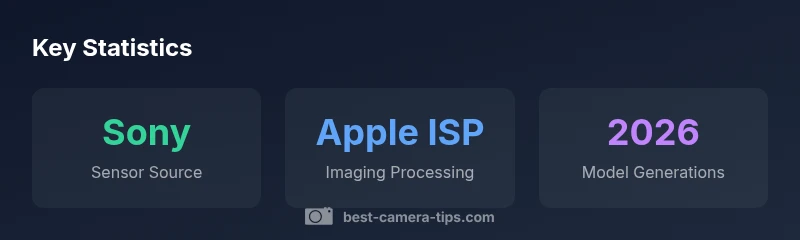
The iPhone does not rely on a single external 'brand camera.' Apple designs its own imaging pipeline and analytics, while image sensors are sourced from suppliers such as Sony, with occasional contributions from other vendors. In short, there isn’t one brand camera used in iPhone; the system combines Apple’s ISP with Sony-origin sensors across generations.
The question behind the phrase 'which brand camera used in iphone'
For many readers, the query sounds simple: which brand camera is inside the iPhone? In practice, the answer is more nuanced. Apple does not contract a single camera module brand for every iPhone; instead, the company uses a mix of sensor suppliers, often including Sony, while designing the rest of the imaging chain in-house. The phrase suggests a single brand, but the iPhone's image quality comes from an end-to-end system: sensor, lens, image signal processor (ISP), software algorithms, and computational photography features. This collaboration means the 'brand' behind iPhone images is not one label but a layered stack with multiple contributors. For readers of Best Camera Tips, the focus should be on how this stack influences real-world results across different models, lighting conditions, and usage scenarios, rather than chasing a single brand name.
Sensor sourcing: Sony and beyond
A central aspect of the question is where the actual image data originates. The dominant story in recent iPhone generations is that Apple sources high-performance image sensors from Sony, while also integrating sensors from other suppliers as needed for certain camera modules. In practice, you are looking at a composite of parts rather than a single component labeled by a brand. This means color science, dynamic range, and low-light performance are shaped by both the sensor hardware and Apple’s processing algorithms. The takeaway for photographers is that improvements across models tend to come from a tighter integration of sensor performance with Apple’s software stack, not from a single third-party camera brand alone.
Inside the Apple imaging pipeline: ISP, Neural Engine, and HDR
Beyond the sensor itself, the heart of iPhone image quality lies in Apple’s imaging pipeline. The ISP (image signal processor) inside modern Apple CPUs performs real-time demosaicing, noise reduction, sharpening, and color science tasks. The Neural Engine powers higher-level computational photography features such as multi-frame HDR, Smart HDR, and multi-frame noise handling. The result is a seamless blend of hardware and software that produces consistent results across lighting conditions. Because these routines are tightly integrated with iOS, the perceived brand is the Apple system rather than a standalone camera brand. This is why the question of brands becomes less meaningful when evaluating iPhone photography outcomes.
How hardware and software shape image quality across generations
Each iPhone generation typically brings improvements in sensor quality, lens design, stabilization, and processing algorithms. While the sensor might come from Sony, Apple adjusts the optical stack (aperture, micro-lenses) and refines the ISP to optimize color, texture retention, and dynamic range. In practice, this means newer models often deliver brighter exposures, more accurate skin tones, and better detail retention in shadows without sacrificing overall balance. The end user experiences these gains through features like better low-light performance, more natural color rendering, and more reliable noise suppression, all driven by the end-to-end system rather than a single brand label.
Case studies: practical shooting implications for photographers
- Portraits: The combination of sensor performance and ISP-driven depth mapping yields smoother bokeh and more consistent edge detection across subjects.
- Landscapes: Improved dynamic range and color fidelity help preserve sky details while maintaining texture in foliage and rocks.
- Video: Unified processing ensures smoother exposure transitions and color stability, even as lighting changes during a shot.
- Night scenarios: Computational techniques reduce noise while keeping highlights in check, enabling cleaner night photos without heavy post-processing. This section emphasizes that the practical outcomes depend on the full stack—sensor, lens, ISP, and software—rather than any single brand claim.
Practical takeaways for photographers and enthusiasts
- Focus on end-to-end performance: color science, HDR capabilities, and noise handling matter more than the sensor’s origin.
- Use the main sensor for most scenes; switch to ultrawide or telephoto when framing benefits outweigh a potential drop in light gathering.
- Leverage RAW capture and consistent exposure control to preserve editing flexibility, especially in high-contrast scenes.
- Test across lighting conditions to understand how newer generations improve skin tones, foliage textures, and night detail.
- Remember that updates come from both hardware and software; timely iOS updates can unlock new computational photography features.
- Don’t chase a brand; evaluate the end-user results and how comfortable you are with the camera app workflow.
Common misunderstandings and clarifications
- There is no single external brand camera inside iPhones; the system is a multi-part integration.
- Sensor brand is not the sole determinant of image quality—processing power, software, and lens design play equally large roles.
- Even if a model uses a Sony sensor, it is paired with Apple’s own ISP and image processing that shape the final photo.
- Upgrades in new generations may involve hardware and software improvements that change the perceived brand of the iPhone camera experience, not just one component.
Key technical pillars behind iPhone camera performance
| Aspect | What it means | Impact for photos |
|---|---|---|
| Sensor Origin | Sony sensors; occasional other suppliers | Affects color science and dynamic range across models |
| Image Signal Processor | Apple-designed ISP in modern SoCs | Enables computational features like HDR and noise reduction |
| Lens System | Multiple focal lengths across models | Expands framing options and perspective control |
Common Questions
Is there a single brand camera used in iPhone?
No. Apple blends sensors from multiple suppliers with an in-house imaging pipeline, delivering a cohesive photo experience. The ‘brand’ is the entire system, not a standalone camera label.
No single brand—it's an integrated system from sensor to software.
Which sensor brand is used in iPhone cameras?
Public reporting points to Sony as a primary sensor supplier, with other vendors involved depending on generation. Apple does not disclose exact supplier details for every model.
Sony sensors are common, but Apple keeps specifics private.
Do third-party brands influence iPhone photo quality?
Yes, through the sensors and components chosen by Apple; however, the final look is shaped by Apple’s processing and software. You can’t swap brands in the field to change results.
Sensors and processing together shape quality.
Will future iPhone sensors switch brands?
Possible. Apple evolves hardware and sometimes changes suppliers to meet performance goals. There’s no public roadmap for sensor brands.
It could change, but no public roadmap yet.
Does model difference matter for camera brand?
Yes. Each generation may bring improved sensors, lenses, and processing, which changes the overall imaging performance even if the brand remains the same.
New models usually bring better sensors and processing.
What about video capabilities across generations?
Video quality improves with sensor, lens, and ISP advances in each generation. Expect smoother color, better stabilization, and more efficient processing in newer models.
Video gets better with each generation.
“The iPhone’s image quality comes from a tightly integrated system where hardware and software are designed together. There isn’t a single third-party brand camera inside—the end result is a product of the entire pipeline from sensor to screen.”
The Essentials
- See the end-to-end system, not a single brand, behind iPhone photos
- Sony sensors are common, but Apple’s processing defines the final look
- Apple’s ISP and computational photography drive color, HDR, and low-light quality
- New generations improve through hardware+software integration, not just sensor swaps
- Choose lenses and shooting modes that align with your scene, then edit for best results