How to Protect Your Camera From Rain: A Practical Guide
Learn proven, practical techniques to shield cameras from rain, including gear choices, protective housings, setup tips, and post-exposure care. This guide from Best Camera Tips helps aspiring photographers and home-security enthusiasts shoot confidently in wet weather.


Protecting a camera from rain starts with proactive planning, choosing the right rain protection, and using weather-aware shooting habits. In this guide you’ll learn practical steps, gear options, and maintenance tips to keep gear safe in wet conditions, backed by Best Camera Tips recommendations.
Why rain protection matters
Rain can compromise camera performance in several ways, from condensation on lenses to moisture ingress into connectors and electronic compartments. Even light spray can fog a lens or dull image contrast, while heavier rain risks water damage to sensors and internal circuitry. For aspiring photographers and home-security enthusiasts, protecting your gear is not just about avoiding costly repairs—it's about maintaining consistent image quality and reliable operation in variable weather. According to Best Camera Tips, taking a proactive stance on rain protection protects investment, preserves resale value, and minimizes downtime during important shoots. Practical rain protection begins with understanding where moisture lurks, then applying targeted barriers, seals, and habits that reduce exposure during field use.
- Remember that even small droplets can create fogging when your camera meets cold air.
- Condensation forms when temperature and humidity differ, so plan for quick drying routes and storage.
- Proactive protection minimizes downtime and preserves image quality across sessions.
Key takeaway: Rain protection is part technique, part gear—invest in both to stay productive under wet conditions.
Assessing gear and environment
Before stepping into a drizzle, take a quick assessment of your gear, location, and planned activity. Start by checking camera bodies, lenses, and any exposed ports for existing seals or wear. If you’re using older equipment, verify that the weather sealing is intact and that any removable components (filters, hoods, or adapters) won’t create gaps where moisture can seep. Consider the environment: coastal spray, humid mountain drizzle, or light backyard showers require different levels of protection. For Best Camera Tips readers, a simple rule is to choose a protection level that matches the forecast likelihood of rain and the duration of exposure. Keep a backup plan in case you need to shelter quickly, such as an improvised rain cover or a nearby sheltered area.
- Inspect seals, gaskets, and ports for cracks or corrosion.
- Decide if you’ll shoot under a canopy, a car’s shelter, or a dedicated rain cover setup.
- Prepare a quick-dry kit (microfiber, lens clean solution) to handle drizzle on the fly.
Types of rain protection
There isn’t a one-size-fits-all solution for rain protection. A practical approach combines passive barriers and active precautions. Zippered silicone rain sleeves and purpose-built camera rain covers are popular because they fit snugly around the body and lens, offering quick access while keeping moisture out. Enclosures with weather seals provide higher protection for longer shoots and when you’re near salt spray or heavy rain. For more rugged environments, consider semi-rigid housings or protective shells that shield the camera from wind-driven spray. Lens hoods paired with filters can also push rain away from the front element, while still allowing proper light transmission. When choosing rain protection, prioritize coverage over aesthetics, and ensure that operation remains comfortable and unobstructed. Best Camera Tips recommends testing any cover in a controlled drizzle before a critical shoot to confirm access, focus performance, and heat dissipation.
- Protects critical ports and connectors with weatherized covers.
- Ensure any protective layer doesn’t trim essential controls or vents.
- Test fit and operation in a safe, dry environment first.
Protecting lenses and sensors in rain
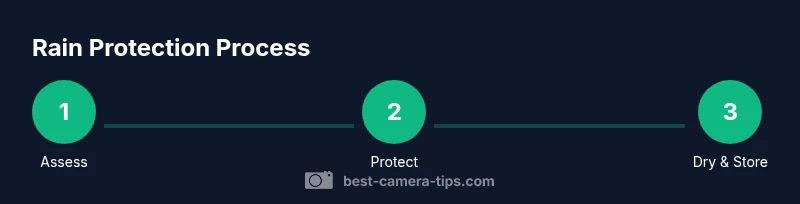
Lenses are the most vulnerable components in wet weather. Use a weather-sealed lens when possible, but also shield the front element with a rain hood or a filter stack designed for outdoor use. Keep lens surfaces clean by carrying a microfiber cloth and a lens hood. For sensors and internal electronics, avoid exposure by using rain shields and ensuring the camera’s weather sealing seats properly at all joints. If condensation forms, pause to dry the exterior and allow interior humidity to equalize before resuming. A small silica gel packet in the camera bag can help reduce moisture between shoots. Best Camera Tips emphasizes the importance of sequence: protect, monitor, dry, and store to maintain peak performance across sessions.
- Use a front lens hood to minimize direct rain contact.
- Carry a lens cloth and quick-dry wipes for on-the-go clearing.
- Use desiccants in bags to reduce humidity when transporting equipment.
Setup and field usage in wet weather
Creating a reliable rain setup involves a few deliberate steps that minimize exposure while preserving usability. Start by mounting a rain cover that still allows you to reach essential controls. Seat the cover tightly around the camera body; use elastic bands or velcro straps to prevent wind from lifting the cover. If you’re shooting from a vehicle or shelter, position the gear to avoid wind-driven spray and use a windscreen or umbrella when feasible. Should you need to use external power, opt for weatherproof battery grips or sealed power sources. When finished, carefully disconnect and place equipment in a rain-free bag to prevent post-shoot condensation. Remember to check every zipper, seam, and port for moisture before packing away.
- Ensure fast access to memory cards and battery without fully exposing the body.
- Use a rain cover that seals around cables and ports.
- Monitor heat buildup under the cover to prevent overheating during long shoots.
Storage and post-exposure care
After a rain session, the priority is to prevent lingering moisture. Remove gear from the rain cover and place it in a dry, ventilated area. Wipe external surfaces with a microfiber cloth, then inspect for any signs of moisture intrusion around gaskets and seals. If you suspect water has entered, wait for the camera to dry completely before powering on, and consider a professional inspection if you notice fogging inside the viewfinder or on the sensor. Store equipment in a breathable bag with desiccants and rotate gear to avoid persistent damp conditions. Routine maintenance after exposure—cleaning lenses, checking seals, and testing full functionality—extends the life of sensitive components. Best Camera Tips advises building a quick-check routine you can perform after every use in rain.
Maintenance and care after rain exposure
Even minimal rain exposure can leave tiny droplets in crevices that cause corrosion or fogging over time. Regularly clean the exterior with a microfiber cloth and a slightly damp cloth for stubborn grime, then dry with a fresh microfiber. Examine O-rings, gaskets, and battery door seals every couple of months and replace worn components as needed. If you shoot in humid or salty environments, consider applying a rain-repellent treatment on non-lens surfaces, following manufacturer guidance. Finally, document rain shoots in a log, noting what protection was used and how effective it proved, so you can refine your setup for future sessions. The Best Camera Tips approach is proactive: test, document, adjust, and repeat.
Budget-friendly options and trade-offs
High-end weather housings offer superior protection but come at a price and can reduce handling comfort. For hobbyists or beginners, solid rain covers, a good lens hood, and moisture absorbers in your bag can provide impressive protection at a fraction of the cost. When selecting gear, balance protection level with usability. If you frequently shoot in heavy downpours, investing in a dedicated weather-sealed body or a rugged external housing may be worth it. In all cases, ensure any solution preserves autofocus performance, maintains quick access to essential controls, and does not trap heat during operation. Best Camera Tips suggests starting with modular solutions you can add on as needed and testing under simulated rain before real shoots.
- Start with a reliable rain cover and recycle desiccants.
- Upgrade gradually to weather-sealed options if your needs grow.
- Avoid makeshift protections that obscure lenses or heat build-up.
Quick care checklist before rain
- Check seals, gaskets, and ports for wear and reseal if needed.
- Fit a snug rain cover that doesn’t block access to essential controls.
- Attach a lens hood and, if possible, a protective filter to the front element.
- Pack microfiber cloths and desiccants in your bag and practice quick-dry routines.
- Test the setup in a controlled drizzle before shooting in real rain.
Tools & Materials
- Camera body with weather sealing (preferred)(Check seals and ports for wear before use)
- Weatherproof rain cover designed for cameras(Ensure it fits your lens length and height)
- Lens hood compatible with your lenses(Helps deflect rain from front element)
- Protective rain sleeve or sleeve-style protector(Optional for quick shielding)
- Silica gel desiccant packs(Use inside bags to reduce moisture)
- Microfiber cloths (lint-free)(For drying lenses and bodies)
- Water-repellent spray (manufacturer-approved)(Follow guidelines; test on non-optical surfaces)
- Small portable umbrella or canopy(Useful for shielding working area)
- Zip ties or Velcro straps(Secure covers and prevent flaps from catching wind)
Steps
Estimated time: 15-25 minutes
- 1
Assess conditions and gear
Before any protective setup, review the forecast and inspect your camera for signs of wear on seals, gaskets, and ports. Confirm that lens threads and mounts are clean and dry. This reduces the chance of moisture intrusion once rain begins.
Tip: Carry a small moisture monitor or use a quick visual check to assess humidity before setup. - 2
Choose and prepare rain protection
Select a rain cover or enclosure that fits your lens size and allows access to essential controls. Remove any loose accessories that could snag on rain gear, and position the cover so it sheds water away from the lens. Practice putting it on and removing it quickly.
Tip: Test fit under a dry setup to check clearance around dials and screen. - 3
Secure covers and shield exposure
Secure all covers with elastic bands or straps, ensuring no fabric can flap toward the lens. Use a lens hood and consider a front-element filter to deflect droplets. Check for gaps where moisture could creep in, and seal gaps with Velcro or tape only if manufacturer-approved.
Tip: Keep a spare band or strap in case the original loses elasticity. - 4
Protect cables and ports
If you’re using external power or sensors, shield ports with weatherproof caps. Route cables to avoid water pools and ensure strain relief so movement won’t tear seals. Always verify that any battery grip or external power sources are rated for rain use.
Tip: Check that cable connections remain accessible for changing cards or batteries. - 5
Test operation in controlled rain
Power on and verify autofocus, exposure, and screen visibility under light drizzle before committing to a full shoot. Adjust settings to minimize moisture collection on the front element; consider lowering cl stand or using a smaller aperture to reduce the droplet impact.
Tip: If water accumulates, pause and dry before continuing. - 6
Dry, store, and inspect after exposure
After rain, wipe the exterior with a microfiber cloth, then inspect gaskets for moisture intrusion. Dry thoroughly and store with desiccants in a breathable bag. If any fogging is noticed, service before the next outdoor session.
Tip: Document the setup for future improvements.
Common Questions
What is the best rain protection for cameras?
There isn't a single best option; choose a protection that fits your gear, environment, and how long you'll be exposed to rain. A combination of a weather-sealed body, a dedicated rain cover, and a lens hood provides reliable protection for most situations.
The best protection depends on your gear and environment, but a combination of weather sealing, a rain cover, and a lens hood covers most scenarios.
Can I use DIY covers to protect my camera in rain?
DIY covers can work in a pinch but may lack reliable seals and heat dissipation. If you use any improvised method, test it indoors first and avoid blocking essential controls or ventilation.
DIY covers can work, but test them indoors and avoid covering controls or vents.
How should I protect cameras during long outdoor shoots?
For long shoots, use a weather-sealed body, a protective rain cover with quick-access design, and regularly dry the lens surface. Replace devices or seals showing wear, and keep desiccants in the bag.
For long shoots, use weather-sealed bodies, protect with a rain cover, and keep equipment dry between takes.
What should I do after I get caught in sudden rain?
Immediately wipe external surfaces dry and switch to a dry bag. Allow any condensation inside to evaporate before powering on. Inspect seals and test functionality before continuing.
If rain hits suddenly, dry the exterior, store in a dry bag, and test before resuming.
Are rain covers compatible with all lenses?
Most covers come in adjustable sizes, but very long telephotos may need a dedicated rain canopy. Always verify clearance and accessibility of your controls.
Most covers fit most lenses, but long telephotos may need special canopies.
Is it okay to use water-repellent sprays on cameras?
Only use manufacturer-approved sprays on non-optical surfaces. Do not apply directly to lenses or sensors, as chemicals can affect coating and performance.
Only use sprays approved for non-optical surfaces and avoid lenses.
Watch Video
The Essentials
- Plan protection before rain starts.
- Choose gear that preserves access and operation.
- Protect lenses with hoods and shields.
- Dry and inspect after exposure to prevent corrosion.
- Test setups in controlled conditions first.