Finding a Camera Shop Near Me: Practical Tips for Photographers
Discover how to locate a reliable camera shop near you, compare stock, warranties, and service, and choose the best local option for gear, repairs, and guidance.


If you want to buy or test gear locally, start by prioritizing shops with hands-on demos, a broad stock, and clear warranty terms. Look for two to three nearby stores to compare price, service, and accessibility. In practice, visiting a few shops lets you assess stock variety, staff expertise, and after-sales support, helping you avoid online-only traps.
Why local camera shops matter
According to Best Camera Tips, local camera shops play a crucial role beyond mere price comparison. They offer hands-on testing environments, staff with practical experience, and immediate access to repair services and warranty replacement. For aspiring photographers, this local support network can accelerate learning—allowing you to compare ergonomics, grip feel, and autofocus performance across bodies and lenses. In addition, neighborhood shops foster community knowledge sharing, organize in-store demos, and host clinics that bring together photographers of varying skill levels. These benefits translate into faster gear confidence, better purchase decisions, and a clearer path for future upgrades.
When you shop nearby, you also reduce the risk of miscommunication that often occurs with online-only purchases. You can verify battery life, grip comfort, and the tactile response of controls, which many beginners underestimate. The hands-on experience matters, especially when you’re choosing your first serious camera system or deciding whether to add a fast prime lens or a versatile zoom. Local shops can tailor recommendations to your shooting style, budget, and local weather or lighting conditions, which online listings rarely convey.
How to locate a camera shop near you
Finding a dependable camera shop near your home starts with a smart search strategy. Use map apps and local directories with the keyword camera shop near me, then filter results by distance, hours, and user reviews. Prioritize stores that list active inventory or offer in-store demos. Contact shops to confirm current stock and demo availability before visiting to save time. Consider proximity, accessibility, and parking options—a short drive with easy loading space for gear makes test sessions more practical. You can also ask for recommendations in photography forums or local clubs; peers often point to shops that consistently stock a broad range of brands and provide solid after-sales service. Remember to read recent customer reviews to gauge consistency in service quality.
What to check before visiting
Before you set foot in a store, prepare a short checklist to evaluate each shop efficiently. Verify that the shop carries the camera bodies and lenses you’re considering, and that staff can demonstrate key features like metering modes, autofocus performance, and menu navigation. Check whether the shop offers rental gear, trial periods, or flexible return policies—these can be invaluable when deciding between similar models. Look for transparent pricing, clear warranty terms, and a straightforward process for repairs or exchanges. Note the store’s reputation for protective packaging, safe test handling, and staff willingness to answer questions without pressure. If possible, ask about calibration services, firmware updates, and after-sales support timelines to understand the full value of shopping locally.
In-store experience vs online: pros and cons
Local camera shops provide tangible advantages over online marketplaces. In-store testing helps you gauge comfort, balance, and handling—crucial factors for long shoots. Knowledgeable staff can offer tailored advice, compare competing models side-by-side, and explain trade-offs between sensor size, resolution, and low-light performance. However, online retailers often present lower prices and broader stock, plus convenient at-home delivery and liberal return policies. The key is to weigh these aspects against the cost of travel, the value of immediate assistance, and the reliability of local warranties. A pragmatic approach is to visit a couple of nearby shops to benchmark experience and then verify any price differences online before making a final decision.
Warranties and after-sales service explained
Warranties and after-sales service are the backbone of local camera shops’ value. In-store experts can walk you through warranty terms, registration requirements, and what constitutes coverage for accidental damage or component failures. They can also arrange loaner gear during repairs or provide same-day service for minor issues. When comparing shops, ask about the return window, restocking fees, and how repairs are processed—whether the shop handles the claims directly with the manufacturer or routes everything through a service center. Nail down pickup options and whether you’ll receive notifications via SMS or email. A clear, dealership-style process reduces downtime and preserves your shooting schedule.
Value-added services that matter
Local shops often offer services that online vendors can’t match, such as sensor cleaning, calibration checks, firmware updates, and lens testing with distortion charts. Some stores provide in-house 3D-printed custom accessories, free bag checks, or classes on lighting and exposure. Don’t overlook gear matching services, where staff help you assemble a balanced kit—body, lens lineup, and memory cards—based on your shooting genres. When shops advertise calibration or back-end firmware services, confirm the turnaround time and any associated costs. These small conveniences collectively save time and frustration over the lifespan of your kit.
Practical tips for a productive visit
Plan your visit with a concrete set of goals: test autofocus performance at typical shooting distances, compare grip comfort across bodies, and verify that the shop can accommodate your preferred memory card format. Bring a list of candidate lenses and bodies, including exact models, so staff can pull working demos. Prepare questions about warranty specifics, return policies, and repair timelines. If you’re undecided between two cameras, request side-by-side demos to compare color rendering and skin tones under similar lighting. Finally, take notes during each visit and photograph product details (where allowed) to help you recall subtle differences later. A structured approach makes every local shop visit productive and confidence-boosting.
When to buy local versus online
Buying locally makes sense when you value hands-on testing, immediate access to customer support, and straightforward returns or exchanges. If you have a tight deadline for a shoot or you rely on trusted service for a complex kit, a local purchase can reduce downtime. For price-sensitive gear, online retailers may offer better discounts or bundles, but you should factor shipping costs, handling fees, and potential wait times for warranty service. A balanced strategy is to buy locally for core gear that benefits from testing and service, and consider online options for specific accessories or hard-to-find items, ensuring you compare total cost and long-term value.
Privacy and safety considerations for home-security gear
When shopping for home-security cameras, local shops can help you understand privacy implications, storage options, and integration with existing systems. Staff can explain data encryption, cloud versus local storage, and the nuances of camera placement to avoid blind spots or privacy issues. If you’re purchasing multiple units for an indoor/outdoor setup, ask about weather sealing, power options, and mounting hardware. Take advantage of in-store demonstrations to test night vision clarity and motion detection sensitivity, ensuring the system aligns with your security goals and privacy comfort level.
Local shop features to evaluate
| Service/Feature | What to Look For | Local Guidance |
|---|---|---|
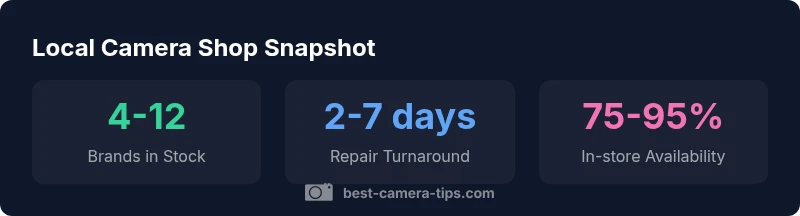
| In-stock Variety | 4–12 brands across major categories (bodies, lenses, accessories) | Visit in person; check if the shop carries the brands you want and can demonstrate models |
| Demo Units & Try-before-you-buy | Availability of working demos for bodies and lenses | Ask staff to set up a quick demo and compare controls |
| Warranty & After-sales Service | Shop-backed warranties and clear return policies | Confirm process for returns, repairs, and pick-up options |
Common Questions
Is it cheaper to buy online than at a local camera shop?
Online retailers often offer lower prices, especially for popular models, but local shops justify their value through testing, immediate support, and efficient warranty handling. When you factor in in-person testing, return flexibility, and service advantages, the total cost of ownership can be comparable or even favorable at times.
Online prices can be lower, but local shops add value with testing and service.
How do I know which camera shop near me has the best stock?
Check shop inventories online when available, call ahead to confirm stock of your target bodies or lenses, and read recent customer reviews about stock consistency. Visiting 2–3 shops gives you direct insights into variety, condition of demos, and the staff’s capability to compare options side-by-side.
Call ahead and compare a few shops to see who has the cameras you want.
Do local shops offer rental gear?
Many camera shops offer rental options for bodies, lenses, and accessories. Rental can be a cost-effective way to test a setup before committing, especially for specialty shoots or unfamiliar brands.
Ask if rentals are available and what the terms are.
What should I ask before buying a camera body?
Inquire about weight, grip feel, autofocus performance, menu layout, and battery life under typical shooting conditions. Also ask about exchange policies and whether you can test the body with your own lenses.
Ask about handling, battery life, and warranty before buying.
Can I negotiate price at a camera shop near me?
Some stores are open to price matching or bundled deals, especially for kit purchases or accessories. Be respectful, quote verified online prices, and inquire about loyalty programs or in-store promotions.
Ask politely if they offer price matching or bundles.
Are there privacy considerations when buying home-security gear locally?
Yes. Local staff can explain data storage options, encryption, and how to place cameras to respect neighbors’ privacy while ensuring coverage. Verify cloud vs. local storage plans and review the manufacturer’s privacy policy.
Ask about storage options and privacy settings.
“Local camera shops offer irreplaceable hands-on testing and personalized service that online retailers can't match.”
The Essentials
- Visit multiple shops to compare stock and service
- Prioritize hands-on demos and clear warranties
- Ask about repair turnaround and after-sales support
- Shop locally to support communities and testing confidence
- The Best Camera Tips team recommends prioritizing in-person testing for gear decisions