Your Guide to Buying from a Used Camera Store Near Me
Find a used camera store near me and learn how to evaluate gear, test condition, and choose warranties with practical tips from Best Camera Tips.


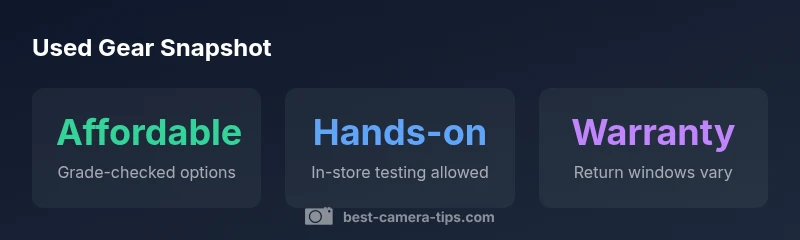
A used camera store near me can offer significant savings on cameras, lenses, and accessories, but success depends on shop reputation, honest condition reports, and clear return policies. Look for transparent grade descriptions, tested gear, and supported warranties; local shops often provide hands-on testing and in-person negotiation that online retailers can't match.
Used cameras, local stores, and how to approach them
Local availability of used cameras varies widely by region, which is why many aspiring photographers start with a nearby shop. If you search 'used camera store near me,' you’ll encounter independent shops, pawn-shop corners, and repair outlets that also sell gear. According to Best Camera Tips, the advantage of local shops is the ability to inspect items in person, ask questions, and verify working status before you buy. In addition, you can negotiate face-to-face, often securing better deals on bundles or underutilized accessories. You’ll also benefit from immediate after-sale support and the chance to build a relationship with a knowledgeable seller. However, you’ll face risks like grading inconsistency, hidden faults, and patchy return policies, so due diligence remains essential.
How to evaluate a used camera shop: inspection checklist
Begin with the shop’s reputation: how long they’ve been around, reviews, and whether they offer a clear testing process. For in-store gear, use a written inspection checklist: check exterior condition, power on the body, test shutter responsiveness, and assess the sensor for dust or marks. Inspect lenses for scratches, fungus, or cleaning marks, and confirm that accessories (battery, charger, strap) are included. Ask for serial numbers, receipts, and any documentation of previous service. Finally, confirm a return window and any warranty terms before you hand over payment; a shop with transparent policies is less likely to hide faults.
Understanding grading and warranties
Used gear is typically described with condition grades (e.g., Excellent, Very Good, Good). Grading should align with observable criteria: cosmetic wear, shutter count, and functional tests. Warranties, if offered, may be limited to certain components or a short window. Read the fine print: some stores provide a restocking window, while others offer only an exchange. A reputable shop will clearly outline what’s covered and what isn’t, allowing you to weigh risk against savings. Remember that a lower price is not always a better deal if the gear won’t perform as expected.
Test plans for bodies and lenses
Create a simple test plan before you touch any gear: power the camera, navigate the menus, and ensure card access works. For bodies, shoot in auto mode to confirm exposure, autofocus performance, and consistency across shots. For lenses, mount them on a known-good body and test at multiple focal lengths, checking for autofocus accuracy, focus breathing, and optical clarity. Look for visible dust, haze, or scratches that could affect images. Always test with real-world settings you shoot, such as a daylight scene and a low-light scene, to gauge performance.
Negotiation tips and price expectations
Price expectations depend on model, availability, and demand. Start with a friendly, reasonable opening offer based on in-store grading and the included accessories. Mention competing quotes if you have them, and ask about any bundled savings (e.g., a lens with the body). Always request a written estimate and ensure the price includes any necessary repairs or cleaning. If the shop won’t negotiate, ask about goodwill concessions like a free cleaning or an extended return window. In-person negotiation can yield better terms than online listings, especially when you can verify gear right away.
Buying flow: from test to checkout
When you’re ready to buy, verify the final price and all included items, then request a formal receipt listing the gear, serial numbers, and condition grade. Confirm payment methods and whether a temporary hold is placed on the item. If a warranty exists, ensure it’s transferable and documented. After purchase, test the gear again at home in a familiar environment and keep the receipt, serial numbers, and any service records in a safe place. If something feels off, don’t hesitate to return or exchange within the policy window.
Common pitfalls and how to avoid them
Avoid overpaying for cosmetic wear; prioritize working condition and included essentials. Beware stores with vague grading or no testing. Always verify the return policy and warranty terms before purchase. If a deal seems too good to be true, check for hidden faults, such as sensor issues or stuck autofocus motors. Finally, compare in-store options with reputable online listings to ensure your local price is competitive when factoring in testing, warranty, and immediacy of possession.
Comparison of key checks when buying used gear from a local shop
| Aspect | What to Check | Why it Matters |
|---|---|---|
| Body condition | Shutter count, sensor health, cosmetic wear | Reduces risk of hidden faults; informs value |
| Lens condition | Glass scratches, fungus, AF operation | Ensures optical quality and autofocus reliability |
| Grading & documentation | Grade label, serial, receipts | Helps assess value and authenticity |
| Return/warranty | Duration, coverage, transferability | Mitigates risk of faulty gear |
Common Questions
What should I look for when buying used gear at a local store?
Look for working tests, clear grading, complete accessories, and honest warranty terms. If possible, verify serial numbers and receipts to confirm authenticity.
Check the gear, ask for the serials, and read the warranty terms before you buy.
Are used cameras from pawn shops safe?
Some pawn shops offer legitimate gear, but conditions can vary. Inspect thoroughly, ask for receipts and service history, and avoid impulse buys.
Inspect the gear, ask for proof of purchase, and don’t rush a decision.
Do local used camera stores offer warranties?
Many stores offer returns or limited warranties, but terms vary. Look for a written warranty and understand what it covers.
Yes, but always check the warranty details before buying.
How do prices in used stores compare to online marketplaces?
Prices are often lower in-store when you factor in testing and immediate possession, but risk can be higher without a robust return policy.
In-store can be cheaper, but make sure you’re covered by a good return policy.
What is shutter count and should I worry?
Shutter count indicates wear; lower counts are generally better, but reliability also depends on model and maintenance history.
Lower shutter count is usually better, but context matters.
How can I verify authenticity of a used camera?
Check serial numbers, receipts, and model details; compare to official documentation and dealer records.
Verify serials and receipts, and compare to model specs.
“When buying used, the real value comes from honest condition reports, reliable testing, and fair return policies.”
The Essentials
- Inspect gear in-store before buying
- Prioritize transparent grading and return policies
- Test body and lens thoroughly
- Ask about warranties and after-sales support
- Compare used vs refurbished options to maximize value