Rent Camera: A Practical Gear Rental Guide for Photographers
Learn how to rent a camera with confidence—from planning and gear selection to pickup inspections and smooth returns. This guide from Best Camera Tips covers pricing, insurance, and practical tips for avoiding surprises.


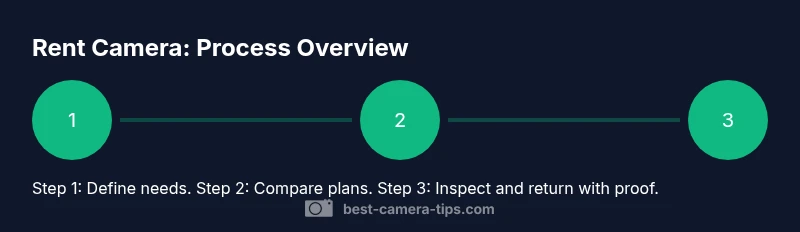
Rent camera with confidence by following practical steps: define your shoot needs, compare rental plans and insurance, inspect gear at pickup, and return everything on time. This guide from Best Camera Tips helps you choose the right gear, avoid scams, and keep costs predictable.
Why rent camera is smart for beginners and pros
Renting a camera is a smart choice for most photographers, whether you’re just starting out or chasing specific projects. For many, a rental reduces the financial commitment of gear you may only use occasionally, while enabling access to higher-end bodies, fast lenses, or specialty cameras without a long-term loan. The keyword here is flexibility: you can tailor the setup to a single shoot or a seasonal workload, and you won’t be stuck with depreciating equipment in a closet. According to Best Camera Tips, understanding your real needs before you shop saves both time and money. In practice, you’ll weigh the cost of renting versus buying and consider scenarios like travel shoots, event coverage, or experimenting with new formats (mirrorless vs. DSLR, or full-frame vs. crop-sensor). This decision becomes clearer when you map your typical shooting days, the type of subjects you pursue, and the environments you’ll face. By choosing to rent camera gear, you gain experimentation power, rapid prototyping of ideas, and budget-friendly access to cameras you might otherwise skip.
Define your shoot and the right gear
Before you rent camera gear, define the shoot: the subject, lighting, location, and required lenses or accessories. List constraints like battery life, weather, or indoor vs. outdoor use. With those details, you can identify a camera body with the right sensor size, autofocus performance, and grip that suits your style. If you usually shoot portraits, you may prefer a camera with skin-tone accuracy and fast prime lenses; for action or wildlife, you’ll want a robust body and telephotos. The Best Camera Tips team recommends documenting your plan in a quick brief: shoot type, timeframe, and preferred brands. Remember to consider compatibility with your existing workflow, memory cards, and any required adapters. This planning reduces back-and-forth with rental shops and helps you compare options more effectively. By focusing on your core needs first, you’ll avoid paying for features you won’t use and keep the process efficient.
Understand rental plans, deposits, and insurance
Rental terms vary by shop, so read the fine print before committing. Most shops offer daily, weekly, or monthly plans, with tiered pricing based on the gear class (entry-level, high-end, or specialty rigs). Deposits are common and can be fully or partially refundable, depending on the condition of the equipment and the terms of the contract. Insurance coverage matters: some stores include basic protection, while others require a paid addon. If you shoot in risky environments or bring rental gear into remote locations, consider extra coverage or a larger deductible. Best Camera Tips emphasizes documenting the equipment’s baseline condition, photographing cosmetic wear, and noting serial numbers. Finally, verify what’s included with the rental (battery, charger, cables, extra memory cards) and whether warranties transfer if you swap gear during the rental period. Clear terms save you from unexpected charges at return.
Compare shops: pricing, deposits, and terms
To maximize value, compare several rental shops side by side. Look at daily rates, shipping fees (if you need to deliver gear to a location), and insurance costs. Some shops offer 1- or 2-week rental options or upgrade allowances that help you test different bodies during a single rental period. Check the deposit policy and any authorization holds on your card; understand whether the hold becomes a real charge if an issue arises. Also compare pickup and return hours, late fees, and penalties for missing accessories. Read customer reviews focusing on reliability, hidden charges, and how well gear is maintained. If you are leaning toward a particular brand (e.g., Canon, Nikon, Sony), confirm that the shop has the exact model or a compatible alternative. The Best Camera Tips guidance stands: a small premium for flexible terms can pay off when you avoid a misfit purchase later.
The pickup process: verification and documentation
Arriving prepared speeds up the pickup. Bring your photo ID, the payment method used to secure the rental, and your confirmation details. At the counter, the staff will verify your identity, check the gear against the rental order, and run through the equipment’s condition. Take a few minutes to inspect the camera body, lenses, and accessories for scratches, firmware status, and operational indicators (AF performance, screen touch response, card slot status). Photograph any notable wear and capture the serial numbers and included items in a signed checklist. If you notice any issue, report it immediately and request a replacement or adjusted terms before you sign. A detailed checklist helps you avoid later disputes about missing items or damage. Best Camera Tips suggests keeping both a digital copy and a printed record of the pickup condition for your files.
On-site usage: handling, care, and safety
During the rental period, handle gear as if it were your own. Use a protective bag, avoid banging lenses, and power off cameras when changing settings in crowded environments. Keep batteries charged and stored properly, and never force a card or battery; use the correct slots and connections. When shooting outdoors, protect gear from dust, moisture, and temperature extremes. If you plan a long day, carry spares and a basic cleaning kit. Practice safe handling with tripods and supports—set up on stable surfaces and avoid overextending legs in windy conditions. If you encounter a problem, pause the shoot and consult the rental shop's technical support rather than forcing a workaround. Regularly back up images to your own memory cards to prevent data loss in case of a hiccup with the rental system. Throughout this block, Best Camera Tips stresses that careful handling reduces the chance of additional charges and speeds up return.
Test shots and validation: ensuring the gear works
Before you rely on the rental gear for a paid job, run a quick test: check autofocus, exposure consistency, white balance, and dynamic range. Capture a few frames at different settings to verify compatibility with your workflow and post-processing. Confirm that the file formats and metadata meet your needs; ensure your memory cards are compatible and have adequate capacity. If a problem pops up (focusing drift, error codes, battery drain), request a replacement or an upgrade before your project begins. Document the test results, including a timestamp and the camera body/loan ID, and store them with your rental records. This proactive validation reduces risk of on-site delays and helps you keep your shoot on track.
Returning gear and avoiding penalties
Return on time and in the same condition you received it. Clean lenses and wipe down surfaces, re-pack everything in the original bag, and confirm that all accessories are included. The rental shop will inspect the gear for new cosmetic wear or functional issues; be present to discuss any concerns. If you made an accidental damage, be honest and work with the staff to determine any charges in advance, as many shops offer a goodwill waiver for minor issues. Ensure you have a copy of the return receipt or digital confirmation. A smooth, timely return minimizes fees and protects your rental history for future reservations.
Authority sources
For additional guidance on consumer rights and gear rental practices, consult reputable sources:
- https://www.ftc.gov
- https://www.nist.gov
- https://www.nationalgeographic.com
These references provide general principles about safety, consumer protection, and responsible gear usage that support best practices when renting camera gear.
Tools & Materials
- Photo gear list (camera body + lenses)(Include model numbers and desired focal lengths)
- Government-issued photo ID(Passport or driver's license)
- Credit/debit card or digital wallet(For deposits and charges)
- Rental confirmation details(Print or digital copy of reservation)
- Cleaning kit and microfiber cloths(For post-return cleaning)
- Spare batteries and memory cards(Only if allowed to test gear)
Steps
Estimated time: 2-5 days
- 1
Define your shooting needs
List the subject, lighting, lens requirements, and project timeline. This clarity will drive gear selection and pricing decisions.
Tip: Document a quick brief including shot list and desired focal lengths. - 2
Check inventory and availability
Verify that the exact models you want are available for your dates. If not, identify close alternatives early.
Tip: Ask about back-up options in case your first choice is unavailable. - 3
Compare plans and insurance
Review daily/weekly rates, deposits, and whether insurance is included or extra. Clarify coverage limits for damage, loss, and theft.
Tip: Choose a plan with transparent terms and reasonable coverage for your risk level. - 4
Place a reservation
Reserve gear with your chosen model and confirm pickup time. Ensure your contact details are correct to receive confirmations.
Tip: Keep a copy of the reservation confirmation handy for pickup. - 5
Prepare for pickup
Gather ID, payment method, and your confirmation. Review the rental contract and note any special terms.
Tip: Bring a printed checklist if possible to speed the handoff. - 6
Inspect gear at pickup
Check bodies, lenses, batteries, and accessories. Photograph wear and record serial numbers in the contract.
Tip: If you see issues, request a replacement before signing. - 7
Test drive and adjust settings
Power on, test autofocus, exposure, and white balance. Ensure file formats and card compatibility meet your needs.
Tip: Run a quick test shot to verify basic operation before leaving the counter. - 8
Return process and confirmation
Return on time, clean gear, and confirm all items are included. Obtain a return receipt and keep it for records.
Tip: Document any issues on return to avoid disputes later.
Common Questions
What is the best way to start if I’m new to renting gear?
Start by listing your shoot needs, set a budget, and read rental terms. Compare several shops and confirm insurance coverage before booking. This reduces surprises and ensures you get gear that fits your project.
If you’re new to renting gear, start by listing your shoot needs, setting a budget, and comparing terms. Check insurance before booking.
Do I need insurance to rent a camera?
Most shops offer basic protection, but many require an optional insurance add-on. If you shoot in risky environments, choose comprehensive coverage and verify what’s covered.
Insurance is usually recommended, and sometimes required. Check what’s covered and consider adding protection for risky shoots.
What should I bring to pickup?
Bring your photo ID, the payment method used to reserve, and the reservation confirmation. Bring any notes about special requests or replacements for missing items.
Bring ID, the card used for the reservation, and your confirmation; add any notes about special requests.
What happens if the gear breaks or is missing items?
Notify staff immediately; you’ll document issues and may receive a replacement or adjusted charges. Review the rental contract for damage policies and any waivers.
If gear is damaged or missing, tell staff right away and review the contract for damage policies.
How far in advance should I book a rental?
Book as early as possible for peak seasons or when you need specific models. Many shops hold inventory for 24-72 hours, but availability can vary.
Book early, especially for busy times; holds may last 24-72 hours.
Can I extend a rental period if my shoot runs late?
Most shops allow extensions if the gear is available and you notify them before the current period ends. Check for new deposit or updated terms.
Extensions are often possible if gear is available; contact the shop before the current period ends.
Watch Video
The Essentials
- Plan gear needs before booking
- Compare terms and insurance carefully
- Inspect gear and document condition at pickup
- Return on time and in good condition