Can You Get Camera Film Developed? A Practical Guide
Learn how to get your camera film developed, whether via a professional lab or at home. This guide covers film formats, steps, safety, costs, and deliverables with expert tips from Best Camera Tips.


Yes. Can you get camera film developed? You can have film developed by professional labs or do it yourself at home using a development kit. Labs typically offer scanning and printing options, while home processing requires chemical kits, proper ventilation, and safety precautions. Turnaround and cost vary by film type, service level, and location.
Understanding Film Development Options
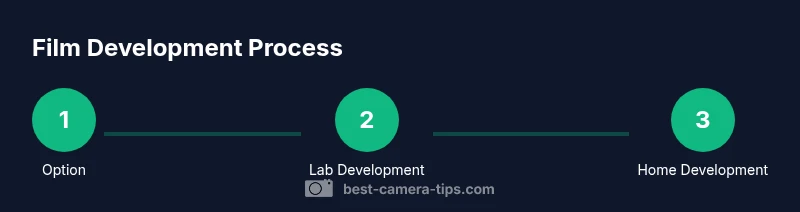
Can you get camera film developed? Yes—film development is the process of turning exposed negatives into viewable images, either as prints or digital scans. According to Best Camera Tips, you generally have two routes: professional labs that handle everything from development to scanning, and DIY at-home development using consumer kits. Each path has trade-offs in convenience, cost, color accuracy, and archival potential. Labs tend to deliver consistent results and safe archival storage, while home development offers hands-on learning and immediate experimentation, especially for black-and-white film and personal projects. Your choice should hinge on the film you shoot, the final look you want, and how much time you’re willing to invest. By the end of this guide you’ll know which route fits your goals and how to navigate the process with confidence.
Film Formats, Stocks, and What It Means for Your Development
Film development quality and outcomes are heavily influenced by film format (35mm, 120, etc.), negative vs slide film, and color vs monochrome. 35mm color negatives require precise chemical chemistry and timing to preserve color balance, while black-and-white negative film emphasizes tonal range and contrast. Slide (transparency) film demands accurate exposure and careful processing to maintain image clarity. ISO speed and the film’s exposure latitude will also affect how labs process and scan your frames. Scanning options can range from basic web-ready files to high-resolution archival scans, with color correction and grain management as optional add-ons. For beginners, starting with standard color negative film and a basic lab service helps you learn what to expect before experimenting with more complex stocks and processes.
Lab Development: What to Expect
Professional labs provide a streamlined, hands-off experience. You’ll typically choose film type, turnaround time, and deliverables (scans, prints, or both). You drop off or mail in your rolls, and technicians handle the chemical development, drying, and digitization. Many labs offer color correction, dust removal, and archival scans, which are especially valuable for preserving memories. Expect clear guidance on packaging, labeling, and return options for your exposed reels. The consistency and quality control in a lab can be a significant advantage if you aim for reliable color, density, and sharpness across frames.
Home Development: Tools, Process, and Safety
Developing at home gives you tactile control and a satisfying learning curve, but it requires careful setup. You’ll need a safe, ventilated workspace, proper chemical kits, film handling tools, and protective gear. Follow the manufacturer’s instructions for mixing chemicals, timing, and washing steps, and keep a strict workflow to avoid cross-contamination between steps. Color film at home is challenging and generally not recommended for beginners, while black-and-white film is more forgiving. Always dispose of chemical waste according to local regulations and store chemicals in labeled, sealed containers to prevent accidents.
How to Decide Between Lab and Home
Choosing between a lab and home development comes down to your priorities. If you want color accuracy, reliable archival results, and minimal hands-on effort, a reputable lab is your best bet. If you’re curious, enjoy hands-on experimentation, and shoot primarily black-and-white film, home development is a rewarding path. Consider factors like turnaround time, cost per roll, scanning quality, and the level of personal control you desire. Best Camera Tips analysis shows that turnaround times and service offerings vary widely by region and lab, so compare options before committing to a single provider.
Deliverables: What You Receive
Labs often provide digitized scans (at various resolutions), prints, and digital archival options. At-home workflows typically yield negative reels, prints (if you have a DIY enlarger), and digital scans produced with your own scanner. When choosing a service, confirm deliverables such as file formats (TIFF vs JPEG), color management (ICC profiles), and whether dust removal or grain enhancement is included. Understanding deliverables helps you plan your post-processing workflow in photo editing software and ensures you can share or archive your images effectively.
Common Pitfalls and How to Avoid Them
Many beginners underestimate the importance of proper loading, timing, and chemical handling. Loading film in a safe light environment, calibrating development times to film type, and maintaining fresh, properly mixed chemicals are essential. For color film, even small timing errors can shift color balance. If you’re experimenting with home development, start with black-and-white stock to build confidence before attempting color workflows. Always wash film thoroughly and avoid cross-contamination between solutions—this can ruin an entire roll.
After Development: Scanning and Editing Your Photos
Developed film is only half the journey; scanning and post-processing complete the look. Choose a scanning method that matches your desired resolution and color depth, then use photo-editing software to adjust exposure, contrast, and color balance. For beginners, start with auto-correct options and gradually introduce manual adjustments as you learn. If you plan to print, calibrate your monitor and apply soft-proofing to anticipate how images will appear in print. The goal is to translate the tonal range and character of your negatives into digital previews that reflect your vision.
Final Tips for Maximizing Your Film's Quality
- Begin with a single roll of 35mm color negative or black-and-white to learn the workflow. - Maintain clean tools, fresh chemicals, and good ventilation to avoid accidents. - Label each roll clearly and keep notes on exposure settings to reference later. - Consider a test scene with a gray card to help calibrate scans and color balance. - Store negatives in protective sleeves away from heat and light to prolong archival quality.
Tools & Materials
- Film negatives or exposed rolls(Ensure they are not sealed in light)
- Development kit (for home)(Includes developer, fixer, wash, and measuring tools)
- Gloves (nitrile)(Protect hands from chemicals)
- Safety goggles(Eye protection during handling)
- Dark bag or safe light(For loading film in a dark environment)
- Tweezers or film tongs(Handle film without fingerprints)
- Plastic bags or container for waste(Safe disposal and transport)
- Optional: Protective apron(Keeps clothes clean during development)
Steps
Estimated time: 60-120 minutes
- 1
Decide development path
Choose between a professional lab and a home development setup based on film type, desired results, and how much hands-on control you want. Research local labs and kit availability to align with your goals.
Tip: Why: Your path determines available services, turnaround, and potential risks to negative quality. - 2
Prepare your materials and workspace
Set up a clean, ventilated area. Gather all tools, wear gloves, and label your film before starting. Prepare containers for different chemicals and ensure you have a safe light environment for loading.
Tip: Why: Proper preparation reduces mistakes and protects your film from light exposure. - 3
Submit to a lab or load for home work
If using a lab, package and label rolls according to their instructions and drop off or mail in. If developing at home, load film in a dark environment and follow kit instructions step by step.
Tip: Why: Following protocol minimizes cross-contamination and ensures consistent results. - 4
Process or wait for results
Labs will handle development and scanning within their stated turnaround. Home processing requires strict timing and washes between steps to avoid ruining film.
Tip: Why: Timing errors are a common cause of dull colors or poor contrast, especially with color film. - 5
Review, scan, and archive
Inspect finished film for any defects, then scan at the chosen resolution and adjust in software if needed. Archive both negatives and digital files for long-term preservation.
Tip: Why: Early review helps you decide if you want to repeat the process with different settings.
Common Questions
Can you develop color film at home?
Color film development at home is challenging and not recommended for beginners due to complex chemistry and temperature control. Labs are typically the safer choice for reliable color results.
Color film at home can be tricky; labs are usually safer for good color results.
How long does lab development take?
Turnaround varies by service level and location, but most labs offer options ranging from same-day to several days. Check the lab’s processing times and whether rush services are available.
Lab turnaround depends on service level and location; check with the lab for exact times.
Is film development safe for the environment?
Yes, if you dispose of chemicals responsibly according to local regulations. Many labs recycle or properly neutralize waste, and home setups should follow manufacturer guidelines.
Yes, with proper disposal per local guidelines and manufacturer instructions.
What if my film is damaged or stuck?
If film is stuck or damaged, do not force the canister or developer. Consult the lab or seek professional advice before attempting to rescue the roll.
If stuck, don’t force it—seek professional help before proceeding.
Can I scan film immediately after development?
You can scan immediately, but you may want to let prints or scans rest briefly to equalize colors and reduce dust. Many labs offer high-resolution scans with dust removal.
Yes, you can scan soon after, but give it a moment for stability and consider higher-quality scans.
Watch Video
The Essentials
- Decide between lab and home based on film type and goals.
- Understand film formats and how they influence processing needs.
- Follow safety protocols for any home development setup.
- Plan for deliverables: scans, prints, and archival quality.