What Cameras Content Creators Use in 2026: Gear Guide
Explore the cameras, lenses, and gear content creators rely on in 2026. This practical guide covers mirrorless vs DSLR, essential accessories, and setup tips for aspiring photographers and home security enthusiasts.


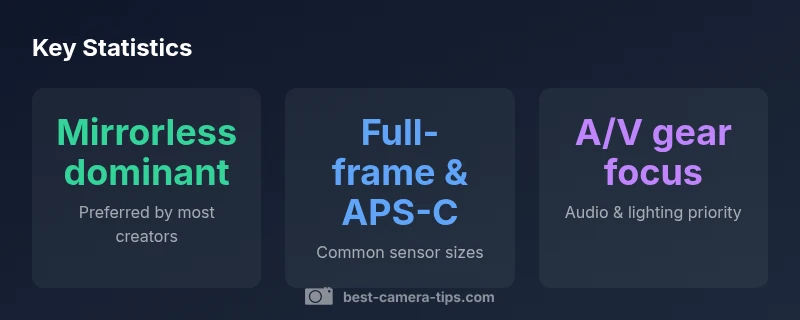
Content creators predominantly rely on mirrorless systems for their combination of portability, autofocus performance, and video features. In 2026, many creators mix full-frame and APS-C mirrorless bodies from leading brands with versatile zooms and fast primes, pairing them with compact audio gear and portable lighting for on-the-go shoots. While DSLRs remain viable, the current trend favors lightweight, expandable mirrorless setups for both photo and video work.
The Landscape: What cameras content creators actually use
Across the content-creation space, the most visible trend is a strong shift toward mirrorless cameras. These bodies tend to be lighter, more compact, and capable of excellent autofocus in both stills and video. Creators frequently choose camera systems that offer robust electronic viewfinders, reliable color science, and a broad ecosystem of lenses and accessories. While you will still see DSLRs in budget-friendly setups, the overwhelming majority of established creators lean into mirrorless platforms from brands that have built mature cinema-style pipelines and strong online support. This shift is driven by the demand for mobility, discreet operation for on-location shoots, and the ability to record high-quality video with efficient heat management. For home security and surveillance integrations, creators may emphasize dependable uptime and compatibility with monitoring apps, but camera choice still rides on overall video and image performance, not isolation of one use case. According to Best Camera Tips, this convergence toward flexible, all-in-one gear is the defining characteristic of 2026 content-creation rigs.
Mirrorless vs DSLR: Why creators lean toward one or the other
Mirrorless systems have transformed the content-creation workflow by delivering compact bodies, quick AF, and impressive live monitoring capabilities. For video, the elimination of a separate mirror means lighter rigs and smoother handling, especially for handheld or gimbal work. DSLRs, while robust and often more affordable, now occupy niche roles: budget-conscious creators, long-standing Canon or Nikon ecosystems with familiar optics, or workflows that prize certain color profiles. The decision often boils down to lens availability, autofocus reliability in video mode, and weight. In practice, many creators own both: a primary mirrorless body for day-to-day work and a more affordable DSLR as a backup or secondary system for stills with a different color rendition.
Sensor sizes and resolution: How it impacts video and image quality
Sensor size influences depth of field, low-light performance, and dynamic range. Full-frame sensors deliver shallow depth of field and strong performance in challenging lighting, making them popular for cinematic videos and portrait photography. APS-C sensors remain attractive for run-and-gun creators who want a lighter kit without sacrificing image quality, especially when paired with high-quality primes or fast zooms. In addition to resolution, reading behavior and color science matter; many creators trade some megapixels for better color rendition, better autofocus performance in video, and more efficient workflow with post-production. The result is a balanced approach: choose a sensor size that aligns with your delivery needs, lens strategy, and travel footprint.
Lenses and accessories that unlock versatility
A core part of content-creator gear is the lens lineup and the accessories that expand shooting options. A common kit includes a versatile zoom such as 24-70mm, paired with fast primes around 35mm or 50mm for low-light conditions and shallow depth of field. In addition, creators invest in reliable audio capture (lavalier or on-camera mics), portable lighting (LED panels with color temperature control), and stabilizers (handheld gimbals or small tripods) to keep footage clean and professional. For color grading and consistency, many stick with lenses known for pleasing skin tones and minimal distortion, while ensuring white balance remains manageable in mixed lighting scenarios. A well-rounded setup also includes backups: extra batteries, memory cards, and a compact field monitor for critical framing.
Practical setup tips for different shooting scenarios
On-location shoots demand flexibility. For interviews or talking-head videos, your setup should emphasize crisp audio, flattering lighting, and a camera that handles quick focus changes smoothly. In vlogging or run-and-gun contexts, a compact body with a reliable stabilization system helps maintain smooth footage while you move. For product reviews or tutorials, macro or close-focus capabilities and color-accurate video become essential, so model selection should consider macro capability or close-focusing distance along with robust autofocus. Finally, always have a cleanup plan: keep cables sorted, store batteries with clean contacts, and maintain your memory cards by organizing footage into labeled folders for easier post-production.
Maintenance and workflow: getting the most from your gear
Regular maintenance pays off in fewer breakdowns and more consistent results. Clean lenses and sensors with approved tools, update firmware when available, and back up footage consistently. Create a simple, repeatable workflow: shoot in a controlled, repeatable lighting setup when possible, tag clips for easy sorting, and use presets or LUTs to speed up color matching across shoots. A predictable routine reduces decision fatigue and helps you produce content more efficiently. Finally, test new gear in controlled environments before committing to a full production schedule; aim to verify autofocus reliability, audio capture quality, and battery life under your typical shooting conditions.
Typical gear mix for modern content creators
| Aspect | Typical Choice | Rationale |
|---|---|---|
| Camera Type | Mirrorless (full-frame/APS-C) | Favored for size, AF, and video features |
| Lenses | 24-70mm zoom, fast primes (35mm/50mm) | Versatility and low-light performance |
| Accessories | External mic, LED lighting, stabilizer | Improves audio, lighting, and stability |
Common Questions
What is the most common camera type among content creators?
The majority of content creators favor mirrorless cameras for their balance of weight, autofocus, and video capabilities. While DSLRs are still used by some, mirrorless systems dominate in new gear purchases and on-platform demonstrations. The ecosystem around lenses and accessories also favors mirrorless brands.
Most creators prefer mirrorless cameras for their light weight and great autofocus, with DSLRs used mainly by budget buyers.
Do content creators still use DSLRs?
Yes, some creators continue to use DSLRs, especially when budget is a constraint or when they value specific legacy lenses or color profiles. However, the trend leans toward mirrorless due to portability and advanced video features. DSLRs remain a viable option for beginners or those already invested in a DSLR ecosystem.
DSLRs are still used by some creators, but mirrorless is the dominant trend for new gear.
What features matter most for video content creators?
Autofocus performance, reliable color science, and good heat management are critical. 4K or higher resolution, high frame-rate options, and good audio capture are also important. An efficient workflow with robust mounting options and compatibility with external monitors helps maintain consistency.
For video, prioritize autofocus, color, and heat management, plus solid audio options.
What lenses should beginners start with?
Begin with a versatile zoom (around 24-70mm) and a fast prime (50mm or 35mm). This combo covers most everyday shoots, from interviews to environmental portraits. As you gain experience, add a wider lens for interiors and a telephoto for distant subjects.
Start with a standard zoom and a fast prime, then expand as you grow.
Is camera brand choice more important than lenses?
Lenses often have a bigger impact on image quality and creative control than the body alone. A strong lens lineup can unlock your preferred look, while the camera body handles autofocus and workflow. Choose a system with a good lens ecosystem and long-term support.
Lenses usually matter more for results; pick a system with strong lens options.
How should I evaluate gear for a home security setup that doubles as content creation?
Look for cameras with reliable uptime, good low-light performance, and easy integration with recording and alert systems. For content, prioritize cameras that double as recording devices with strong microphone inputs and stable streaming options.
Choose gear that balances security reliability with high-quality content capture.
“The current gear trend among creators emphasizes flexible, all-in-one solutions that deliver great video quality without sacrificing mobility.”
The Essentials
- Lean into mirrorless for flexible, portable setups
- Balance lenses for versatility and low-light capability
- Prioritize audio and lighting to boost production value
- Maintain a simple, repeatable workflow to stay efficient