What to Do If Camera Lens Is Broken: A Practical Guide
A practical, educational guide from Best Camera Tips on what to do when your camera lens is broken, how to protect your gear, how to choose repair vs replacement, and how to prevent future damage.


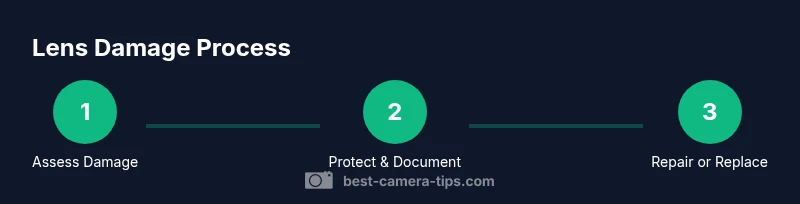
Goal: You will shield your gear, evaluate damage, and decide between DIY triage, professional repair, or replacement. Before you begin, gather a microfiber cloth, blower, lens cleaning solution, and your camera’s warranty/insurance info. This quick guide summarizes safety, documentation, and repair decision points so you can act confidently and minimize further harm.
Quick safety check and immediate actions
Power off the camera immediately to prevent electrical damage. If the lens is cracked or glass is loose, handle the body gently and avoid pressing on the cracked area. Remove the battery and memory card, then store the camera in a dust-free bag or case. Dry exterior surfaces if moisture is present and avoid shaking the setup, which could push dust into the lens mount. Do not attempt to disassemble or reseat the lens yourself, as internal inspection requires specialized tools and training. Gather essential details: model numbers, purchase date, warranty status, and any prior service history. Having backup gear and a plan for the next shoot helps you recover quickly.
Understanding the damage: what a broken lens looks like
A broken lens can present in several ways: visible cracks on the front element, scratches that affect image sharpness, haze or fog inside the lens barrel, misaligned focus, or a loose or jammed zoom ring. You may notice light leaks, fungus growth, or inconsistent aperture behavior. Exterior signs such as cracks around the mount or lens hood not seating properly indicate that internal elements may be affected. If autofocus becomes noisy or cannot lock, the issue may reside in the lens. Even minor cracks can allow dust and moisture to enter, compromising image quality and potentially damaging the sensor over time.
How to secure the lens and camera body after damage
Protect the lens and camera from dust and moisture by sealing the body with a cap and a rear lens cap where applicable. Place the gear in a sealed plastic bag or hard-shell case with desiccant packs. Keep the lens facing upward to minimize dust intrusion and avoid handling by the glass side. If you must transport it, use a padded case and avoid stacking with other heavy gear that could jolt the optics. This step is about preserving whatever remains of the optics until you can have a professional inspect it.
DIY triage: what you can safely inspect
With the camera powered off and battery removed, inspect the exterior for cracks and loose components around the mount. Do not attempt to remove the lens or open the lens barrel; interior inspection requires specialized tools. Check for obvious alignment issues by mounting a known-good lens on the camera and testing basic functions: autofocus, zoom, and manual focus. If the camera cannot lock onto focus or displays error messages, document the behavior and proceed to professional evaluation. This triage helps you decide whether a DIY temporary fix is possible or if professional service is required.
Documenting the damage for warranty or insurance
Take clear photos of all damaged areas from multiple angles, including the mount, front element, and any cracks or haze inside the barrel. Save receipts, serial numbers, model information, and proof of purchase. Create a short video showing any functional symptoms (e.g., autofocus hesitation, zoom stiffness) to accompany written notes. Store all documentation with your insurance policy and warranty details so claims or service requests move quickly.
Warranty, insurance, and coverage considerations
Warranty terms vary by manufacturer and plan. Many standard warranties do not cover accidental damage, but some extended plans or homeowner policies may offer limited repair or replacement options. Review your coverage, contact customer support for a formal assessment, and ask whether the lens or body can be repaired under your policy. Keep a log of all communications and promised timelines.
Cost considerations: repair vs replacement
Repair vs replacement decisions hinge on damage severity, expected success rate, and how the gear matches your current needs. Repair costs can vary widely based on the part, the lab, and shipping. Replacement may be more cost-effective if the lens is older or repeatedly failing. Consider long-term image quality, resale value, and how quickly you need to resume shooting when weighing options.
How to choose a repair shop or service plan
Look for manufacturer-authorized service centers or reputable independent repair shops with staff trained for your brand. Request a written diagnosis, a detailed quote, and a transparent turnaround estimate. Inquire about calibration, warranty on the repair, and whether loaner gear is available. Check reviews and certifications, and ensure secure shipping options if you must mail the lens.
Do-it-yourself temporary fixes you can safely perform
Limit yourself to noninvasive steps such as protecting the exterior with caps, cleaning visible dust from the outer surfaces with a microfiber cloth, and avoiding any adhesives or solvent-based fixes. Never attempt to seal a cracked optic with tape or glue, which can worsen optics and void warranties. If you feel uncertain at any point, pause and seek professional guidance.
When to replace your lens or camera
If the damage is extensive, the lens shows ongoing optical issues, or the cost of repair approaches or exceeds the value and performance you expect from your kit, replacement becomes the logical option. Also consider advances in newer lenses that offer better autofocus speed, stabilization, and image quality. A replacement can restore reliability and minimize long-term risks to your imaging workflow.
Backing up data and protecting future shoots
Back up all photos from recent shoots before sending gear away for service. Create a secondary backup on an external drive or cloud storage. Consider renting a temporary lens for critical shoots and keep a maintenance schedule to inspect your optics regularly. This reduces downtime and protects your portfolio during the repair window.
Final pre-shoot checklist before returning to photography
Confirm the repair status with the service center, test the lens on a bench setup or with a loaner to verify alignment and autofocus, and review calibration results. Ensure you have fresh batteries and clean sensor checks, then perform a quick field test to confirm image quality before resuming important projects.
Tools & Materials
- Microfiber cleaning cloth(Lint-free, for exterior and lens surfaces)
- Air blower (bellows)(Gently blow dust away; avoid liquids)
- Lens cleaning solution(Use approved lens-safe formula)
- Dust removal brush(Soft bristles, for exterior dust)
- Replacement rear/front caps(New or original caps to seal lens when not in use)
- Warranty/insurance documents(Proof of coverage and purchase details)
- Shipping supplies(If sending to service, use original packaging or padded box)
Steps
Estimated time: varies; typically 1-3 weeks depending on repair scheduling and shipping time
- 1
Power down and remove battery
Power off the camera to prevent electrical issues. Remove the battery before inspecting or handling the lens to avoid shorts and accidental operation.
Tip: Always power off before touching any internal lens parts; this minimizes risk. - 2
Document the current condition
Take pictures of the cracked area, any misalignment, and the lens mount. These visuals help you communicate with repair services or insurers.
Tip: Capture close-ups from multiple angles in good light. - 3
Protect the body and optics
Seal with body and rear caps when not in use; place the gear in a dust-free bag with desiccant if available.
Tip: Avoid exposing the cracked glass to moisture or dust during transport. - 4
Test basic functions safely
Mount a known-good lens briefly to test the camera body functions without stressing the damaged lens. Note autofocus or exposure issues but do not force zoom or focus that could worsen damage.
Tip: Be cautious; if anything feels wrong, stop and seek professional help. - 5
Check warranty and coverage
Review manufacturer warranty terms or any insurance coverage; many policies exclude accidental damage, but some may offer repair support or replacement options.
Tip: Keep contact info for the brand or insurer handy. - 6
Get professional assessments
Contact an authorized service center or reputable repair shop for a diagnosis and written quote. Transportation may be required if the lens is not serviceable on-site.
Tip: Ask about turnaround times and if a loaner lens is available. - 7
Compare repair vs replacement
Evaluate whether repair costs and probability of success compare to replacing the lens or the camera body. Consider amortized costs over time and shooting needs.
Tip: Factor in image quality differences between old and new lenses. - 8
Prepare the shipment (if needed)
If you must ship, pack securely in original packaging or a padded case. Include the service form, contact details, and a note about the damage.
Tip: Use tracked shipping and insure the package. - 9
Do safe temporary fixes only
Avoid permanent fixes like gluing or sealing cracks. Do not tighten screws or attempt internal repairs. These actions typically void warranties.
Tip: Stick to noninvasive steps and stop if you feel unsure. - 10
Decide on next shoots
If turnaround is long, arrange a backup plan, rent a lens, or borrow gear to maintain your schedule while awaiting repair.
Tip: Plan B keeps your shoots on track. - 11
Back up data before service
Backup any photos or files from the camera to prevent data loss during repair or transport.
Tip: Use multiple backups if possible. - 12
Finalize the plan
Confirm with the service provider the expected completion date and what to expect on return, including any calibration or testing steps.
Tip: Ask for a test shot to verify repair success.
Common Questions
Is a cracked lens always repairable?
Not always; the severity and location of the crack determine repairability. A professional assessment is necessary to decide
Not always; a professional assessment will tell you if it can be repaired.
Will damage to the lens void my warranty?
Warranty terms vary by manufacturer and plan. Check your documentation or contact support to understand coverage for accidental damage.
Warranty terms vary; check your documentation or contact support.
Can I shoot with a damaged lens while waiting for repair?
Shooting with a cracked or malfunctioning lens risks worsening the damage and image quality. If in doubt, stop and seek professional advice.
Avoid shooting with a damaged lens until it’s inspected.
How long does lens repair typically take?
Turnaround depends on the repair facility, shipping, and parts availability. Request an estimated window in writing before sending your gear.
Repair times vary; ask for a written estimate.
Should I replace the camera body or just the lens?
If the body is functioning well and the lens is significantly damaged, replacing the lens may suffice. If the body shows issues too, a broader assessment is wise.
Consider both, but usually start with the damaged lens.
What should I document after lens break?
Take clear photos of the damage, keep receipts, model numbers, and warranty documents. This helps with claims and service orders.
Document with clear photos and keep records.
Watch Video
The Essentials
- Act quickly to protect against further damage
- Document damage thoroughly for claims or repair
- Weigh repair vs replacement before committing
- Choose authorized service or reputable shops
- Prepare for future protection to prevent recurrence