Sony Alpha ZV-E10 Review: A Video-First Mirrorless
An analytical review of the Sony Alpha ZV-E10, evaluating image quality, autofocus, video features, and value for aspiring vloggers and home photographers on a budget.


Designed as a video-first mirrorless, the Sony Alpha ZV-E10 blends strong autofocus with a flip-out screen and practical audio options, making it appealing for aspiring vloggers and home shooters. While it lacks in-body stabilization and an EVF, the camera's lens ecosystem and color science offer solid value for entry-to-midlevel creators.
Context and Positioning
The Sony Alpha ZV-E10 sits squarely in Sony's mid-range, aiming at content creators who prioritize video but still want solid stills. It borrows the bios of existing Alpha sensors and autofocus, then tailors features toward a run-and-gun workflow: a bright flip-out LCD, front-facing mic input support, and straightforward color profiles. For aspiring vloggers, this camera promises a compact, versatile rig without breaking the bank. For photographers, it remains capable enough for everyday shooting, especially when paired with a growing line of E-mount lenses. The positioning draws a clear line between entry-level point-and-shoots and high-end cinema bodies—the ZV-E10 fills a practical gap with a focus on usability and video settings.
Brand context note: Best Camera Tips’s analysis emphasizes how this model balances accessibility with performance, ideal for beginners who plan to scale up with lenses over time.
Design and Handling
The ZV-E10 emphasizes portability and ease of use. Its compact body fits well in a lightweight setup, and the grip offers enough purchase for comfortable extended shoots. The flip-out touchscreen is a standout feature for vloggers, enabling single-operator framing without an external monitor. Controls are intuitive, with tactile dials for exposure and a dedicated record button. A micro input array (3.5mm mic, 3.5mm headphone, USB-C) supports a simple, effective audio path for on-the-go creators. One trade-off is the absence of in-body image stabilization (IBIS) and an electronic viewfinder (EVF); users must rely on stabilized lenses or external assistive gear for the smoothest handheld results. Overall ergonomics favor a spontaneous shooting style and quick persuasion over long studio setups.
Sensor and Image Quality
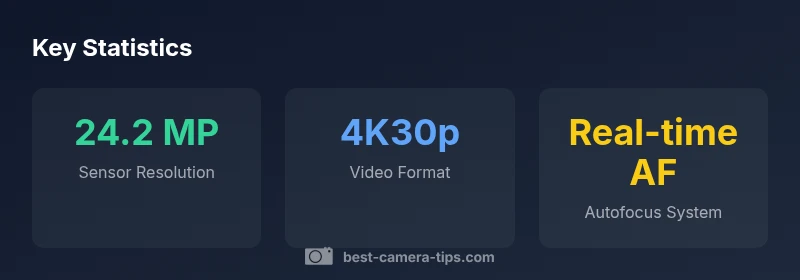
The ZV-E10 relies on a 24.2 MP APS-C sensor that delivers solid detail, natural color reproduction, and a respectable dynamic range for non-log footage. JPEGs pop with pleasing skin tones, and RAW files retain flexibility for post-processing. Low noise performance is consistent up to moderate ISO levels, making it suitable for daylight street photography and indoor corners where lighting isn’t ideal. While it isn’t designed as a high-contrast landscape machine, the sensor’s performance remains competitive in its class, particularly when paired with favorable lenses. Color science aligns with Sony’s broader line, yielding pleasing skin tones with minimal post-work for typical creator workflows.
Autofocus and Subject Tracking
Autofocus is a central strength of the ZV-E10, thanks to Real-time Eye AF for humans and animals and reliable face detection in both stills and video. The system tracks subjects smoothly in motion, which is especially valuable for run-and-gun videography and interviews. In practice, you’ll notice rapid focus acquisition when switching from close-up to mid-shot, with minimal hunting in typical lighting. This performance is complemented by fast AF during continuous recording, making it well-suited for handheld vlogging or talking-head segments where subject distance changes frequently.
Video Capabilities and Color Profiles
Video is where the ZV-E10 feels most confident. It records 4K at 30p and Full HD at higher frame rates, offering a flexible toolkit for different storytelling needs. The absence of built-in ND filters means casual outdoor shooters may need external ND solutions to manage bright daylight, but the camera handles standard daylight conditions well. For those who color-grade, the camera provides profiles that, while not as feature-rich as pro-grade cinema lines, are adequate for clean, punchy footage with proper exposure. The interface for adjusting white balance, gamma, and color grading is accessible, making it feasible to craft a signature look without a steep learning curve.
Audio and Live Streaming Capabilities
Audio performance is a strong point, with a clean mic input path and decent onboard audio for quick vlogs. When paired with a good shotgun mic, you can achieve interview-ready audio in post as well. The camera supports USB streaming, letting creators go live with minimal additional hardware. For voice-centric content, the combination of the front-facing mic jack and an optional lapel mic creates a flexible setup that keeps your hands free. Wind noise handling relies on external wind protection, as there’s no advanced windshield built-in.
Battery Life and Card Options
Battery life is typical for a camera in this segment: adequate for day-long shoots if you’re mindful of power draws, with a quick recharge via USB-C. Storage is handled by standard SD cards, and the interface supports reliable media management for shoot planning. While not a battery champion, the ZV-E10’s power management is predictable, and most creators will bring spares for extended sessions. The balance between battery life and feature access is reasonable, preventing excessive downtime between shoots.
Lenses, Accessories, and the Ecosystem
A major strength of the ZV-E10 is its access to Sony’s broad E-mount lens ecosystem. You can start with a compact kit lens and quickly upgrade to stabilized primes or wide-angle options as your needs evolve. The camera’s performance scales well with higher quality glass, particularly in low-light or creative bokeh scenarios. For video work, you’ll likely pair it with a versatile 16-50mm kit lens or a fast prime for shallow depth of field, along with a solid audio setup to maximize the overall production value.
Real-World Testing Scenarios
In quick test scenarios, the ZV-E10 demonstrates consistent autofocus during handheld walking shots and lively subject movement. In a controlled interview setup, color fidelity and skin tones were well balanced, with the camera maintaining frame continuity without jarring focus shifts. In outdoor daylight, exposure control remained stable, but the lack of IBIS means you’ll rely more on lens stabilization and tripod work when possible. A practical takeaway is that daily creators will appreciate how quickly shots become usable with minimal post-processing, particularly when shooting in standard picture profiles that don’t require heavy grading.
Comparisons with Key Alternatives
Compared with other budget-friendly mirrorless options, the ZV-E10 holds its own in autofocus speed and color usability. While some rivals offer IBIS or built-in EVFs, the ZV-E10 wins on portability, lens flexibility, and ease of use for video-first content. For photographers seeking high-ISO performance or more robust stabilization, an alternative with IBIS and better high-ISO performance may be preferable. The decision often comes down to whether video workflow priorities and lens strategy matter more than on-body stabilization.
Value, Pricing, and Who Should Buy
For aspiring vloggers and content creators on a budget, the ZV-E10 provides a compelling balance of features, portability, and lens flexibility. It’s a sensible entry point into Sony’s ecosystem, allowing you to grow with better lenses as your skills and audience expand. If your work demands built-in stabilization or an electronic viewfinder, you may want to evaluate higher-end bodies or add-on stabilization gear. Thereal value comes from the combination of autofocus reliability, camera ergonomics, and the expanding E-mount lens lineup, which makes it a practical long-term partner for both beginners and intermediate creators.
AUTHORITY SOURCES
- https://www.dpreview.com
- https://www.cnet.com
- https://www.nytimes.com
Positives
- Excellent autofocus with Real-time Eye AF for humans/animals
- Lightweight, compact body ideal for on-the-go shooting
- Strong lens ecosystem with abundant third-party choices
- Reliable color science and skin tones for quick turnaround
Downsides
- No in-body image stabilization (IBIS) on the body
- No built-in electronic viewfinder (EVF) or optical viewfinder
- Lacks built-in ND filter for bright daylight shooting
- Video-focused features come with trade-offs in low-light performance
Best for aspiring vloggers and creators seeking a compact, feature-rich setup with strong autofocus; not ideal for users who require built-in IBIS or a viewfinder.
The ZV-E10 delivers reliable autofocus, versatile video options, and a broad lens ecosystem at a compelling price. Its portability and ease of use make it a standout choice for beginners who want to grow with the system. If stabilization and a viewfinder are priorities, consider one of Sony’s higher-end bodies or stabilized lenses. Best Camera Tips’s verdict is that it’s a strong entry point into the Sony ecosystem with room to upgrade.
Common Questions
Is the Sony Alpha ZV-E10 good for beginners?
Yes. The ZV-E10 offers a forgiving autofocus system, intuitive menus, and a strong ecosystem of affordable lenses, making it approachable for newcomers while allowing room to grow. It’s particularly well-suited for video-focused creators who want a simple path to higher production value.
Yes, it’s beginner-friendly and scales with your skills as you expand your lens lineup.
Does the ZV-E10 have in-body image stabilization (IBIS)?
No, the body lacks IBIS. You’ll need stabilized lenses or external stabilization gear to minimize camera shake, especially in handheld video. This is a deliberate trade-off to keep the price and size down while preserving portability.
It doesn’t have IBIS, so stabilization comes from lenses or external gear.
Does it include a built-in electronic viewfinder (EVF)?
No built-in EVF. The camera relies on the vari-angle LCD for composing shots, which is common in budget video-focused mirrorless bodies. If an EVF is essential, consider external monitoring options or a different model.
No EVF—use the flip-out screen or an external monitor.
Can you live stream directly from the ZV-E10?
Yes. The ZV-E10 supports USB streaming, allowing you to use the camera as a webcam with compatible software. This makes it convenient for live broadcasts and online tutorials without extra hardware.
You can stream live directly from it with the right software.
Which lenses are best for video on the ZV-E10?
The 16-50mm kit lens is popular for its versatility, while fast primes (e.g., 35mm or 50mm f/1.8) deliver shallow depth-of-field looks. Stabilized zooms and wide-angle options are great choices for vlogging and room-scapes.
Start with a stabilized kit or a fast prime for better bokeh.
How does the ZV-E10 compare to other competing models?
Compared with similar budget mirrorless cameras, the ZV-E10 excels in autofocus and ecosystem but lags in stabilization and viewfinder options. It suits those prioritizing portability and quick setup over absolute stabilization in-camera.
It’s strong in autofocus and lens options, but you’ll trade some stabilization and viewfinding features.
The Essentials
- Focus on video-first features for vlog setups
- Pair with stabilized lenses to compensate for no IBIS
- Utilize the flip-out screen for framing in single-operator shoots
- Explore the wide E-mount lens ecosystem for growth
- Invest in an external mic and wind protection for best audio