Is Camera Good on iPhone 13? An In-Depth Review
A balanced, data-informed review of the iPhone 13 camera performance for aspiring photographers and home security enthusiasts, with practical testing insights and upgrade guidance from Best Camera Tips.


Is camera good on iphone 13? In short, yes for everyday photos and videos; the iPhone 13 delivers solid color, natural HDR, and smooth stabilization. It trails newer flagships in low-light detail and advanced features, but it remains a capable, user-friendly option for casual shooters and beginners who value simplicity.
Is the iPhone 13 Camera Still Competitive in 2026?
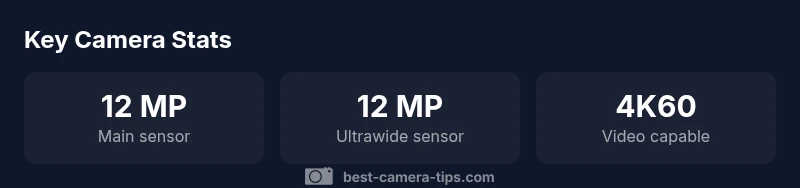
In 2026, the iPhone 13 camera still serves a broad audience well. For many aspiring photographers and home-security enthusiasts, the baseline expectations are clear: reliable exposure, pleasing color, and a straightforward workflow. The iPhone 13 meets these needs with consistency across everyday scenes—portraits, street photography, and landscapes alike. The dual 12‑MP sensors produce natural skin tones and pleasant dynamic range, while the iOS image pipeline handles noise reduction and color science in a way that minimizes post-processing for most users. The real question is whether a newer model would meaningfully elevate your output in your typical shooting situations. If you don’t demand the most aggressive night processing or the telephoto reach found on higher-end devices, the iPhone 13 remains a sensible choice with excellent value for new entrants to photography or for those who prefer an uncomplicated setup.
Hardware and Processing: What Powers the iPhone 13 Camera
The iPhone 13 relies on dual 12‑MP cameras and an A15 Bionic chip to deliver a balanced imaging experience. The main lens is optimized for daylight performance with reliable color accuracy and sharpness, while the ultrawide expands framing options without a big penalty in detail. Computational photography—driven by the Neural Engine and image signal processing—handles noise reduction, HDR integration, and subject separation in highlights and shadows. While newer iPhones add features like more aggressive night processing and Pro-level RAW workflows, the iPhone 13 benefits from a mature software stack that makes shooting feel fast and predictable. This combination makes it easy for beginners to produce solid results while giving enthusiasts a reliable baseline for experimentation and learning.
Daylight Photography: Color Reproduction and Detail
Under bright, natural light the iPhone 13 tends to render colors that are vibrant yet not oversaturated, with skin tones appearing natural across a variety of conditions. Edge detail is crisp in well-lit scenes, and the dynamic range handles bright skies and shaded areas without washing out essential detail. The ultrawide helps compose more creative shots, though you may notice some softness toward the edges of the frame. Overall, daylight performance remains a strength of the system, supporting confident framing, reliable white balance, and consistent results across locations—from city streets to outdoor portraits.
Night Mode and Low-Light Performance
Low-light performance on the iPhone 13 is serviceable, with Night Mode activating on both the main and ultrawide lenses. In practical terms, this translates to cleaner shadows, brighter midtones, and less visible noise compared to older generations. However, compared with newer devices that push night processing further, you’ll still see more pronounced noise in challenging scenes and less detail in dark corners. Tips to maximize results include stabilizing the phone on a steady surface, avoiding extreme exposures, and giving the device a moment to process a scene before capturing. For many users, the difference between iPhone 13 and contemporary models in dim conditions will be acceptable for social sharing and casual photography.
Video Capabilities: Stabilization, 4K, and Cinematic Mode
Video on the iPhone 13 is versatile for everyday needs, with smooth stabilization, rich color, and good detail retention when lighting is adequate. It supports high-resolution video at notable frame rates and offers solid autofocus tracking in motion. Cinematic Mode introduces a shallow depth of field effect for creative storytelling, though it’s most effective in controlled lighting and with careful subject separation. For vloggers and content creators, the camera remains a dependable option for on-the-go shoots, while higher-end devices will deliver more refined bokeh and broader dynamic range in complex scenes.
Practical Shooting Tips: Getting the Most from Your iPhone 13
- Enable Grid view and use the rule of thirds to compose shots quickly.
- Lock exposure for challenging scenes, then reframe to preserve highlights and shadows.
- Shoot in RAW (where supported by apps) or capture multiple frames for later editing in a RAW-capable workflow.
- Use Night Mode on the main camera in low light and switch to ultrawide for ambient light capture.
- Take advantage of Portrait Lighting when photographing people to emphasize facial features.
- Leverage Smart HDR-like processing by shooting in well-balanced lighting rather than extreme contrasts.
- Clean the lens regularly and avoid digital zoom when possible to preserve detail.
- Review color accuracy in post-processing and adjust white balance if your environment has mixed lighting.
How It Stacks Against Upgrades and Alternatives
Compared to the iPhone 12, the iPhone 13 offers incremental improvements in image processing and sensor performance, with faster autofocus and better color consistency in everyday scenes. When placed against newer models, the iPhone 13 lags in low-light resolution, dynamic range, and zoom options, and it lacks some of the finer craft features introduced later (like refined night‑time enhancements and more advanced video tools). For users who prioritize an upgrade path, the decision hinges on how much you value improved night performance, telephoto reach, and newer computational photography tricks. If your primary use is social sharing, travel photography, and casual video, the iPhone 13 remains competitive and cost-efficient.
Testing Methodology: How We Evaluate Smartphone Cameras
This review uses a multi-faceted testing approach designed to reflect real-world usage. We assess color accuracy, white balance consistency, and exposure handling across daylight, mixed lighting, and night scenes. We test video stabilization, rolling shutter behavior, and autofocus performance with a variety of subjects in motion. Our team also compares results against current generation devices and meaningful competitors to determine where the iPhone 13 stands in 2026. All assessments are performed under controlled conditions and complemented by field tests in urban and outdoor environments. For transparency, we document the testing criteria and note any weather or lighting constraints that could influence outcomes.
Real-World Scenarios: Everyday Shots and Content Ideas
In daily life, the iPhone 13 camera shines in casual portraits, street photography, and travel snapshots where speed and ease are valued. The color science tends to be flattering in skin tones, while HDR helps preserve detail in high-contrast scenes such as sunsets or bright skylines. For home security or indoor monitoring, the camera provides dependable documentation with legible detail in well-lit rooms and usable night captures when needed. Content creators can rely on stable video for quick social posts, with Cinematic Mode offering a creative edge for storytelling in controlled environments. By considering typical shooting scenarios, you can tailor your settings to maximize the device’s strengths while recognizing its limitations.
Buyer Guidance: Is This the Right Camera for You?
If you want a simple, reliable camera that covers most everyday needs and integrates seamlessly with iOS workflows, the iPhone 13 is a strong fit. It works well for beginners, hobbyists, and anyone who values immediacy and accessibility over the most aggressive technical specs. However, if you frequently shoot in dim environments, rely on long focal reach, or require cutting-edge night performance and advanced video features, upgrading to a newer model or exploring a device with dedicated telephoto optics might be worthwhile. Ultimately, the decision hinges on your budget, the kinds of scenes you shoot, and how much you value incremental camera improvements over time.
Positives
- Consistent color and skin tones with reliable HDR
- Solid daylight performance and dependable autofocus
- Good video stabilization and 4K recording capabilities
- User-friendly interface and strong ecosystem integration
Downsides
- Lag behind newer flagships in low-light detail
- No dedicated telephoto on the base model; zoom is digital
- Advanced features (e.g., ProRAW on non-Pro models) are limited
- Night processing and dynamic range enhancements are less aggressive than newer devices
Solid everyday camera with strong daylight performance and reliable video; upgrade if you need better low-light and telephoto reach.
The iPhone 13 provides dependable, easy-to-use imaging that satisfies most casual and beginner photographers. It shines in well-lit environments and offers good stabilization for video. However, it trails newer models in night performance and zoom capability, so upgrading makes sense mainly for those who prioritize low-light speed and longer focal reach.
Common Questions
How does the iPhone 13 camera compare to newer iPhone models?
Newer models typically offer stronger low-light performance, more advanced computational photography, and improved video tools. The iPhone 13 remains solid for everyday use, but you’ll notice benefits with an upgrade in challenging lighting and more features like improved zoom or cinema modes.
Newer iPhones generally perform better in low light and offer more advanced video tools. The iPhone 13 is still strong for everyday use, but an upgrade helps in tougher lighting and creative features.
Is Night Mode effective on the iPhone 13?
Yes, Night Mode helps brighten dark scenes and reduces noise, especially on the main camera. It’s less aggressive than some later models, but it makes night photography more practical without additional gear.
Night Mode helps a lot in dim scenes, especially with the main camera, though it isn’t as aggressive as on newer devices.
Can I shoot good video on the iPhone 13?
The iPhone 13 records solid 4K video with stable stabilization and respectable color. For cinematic storytelling or high-end production work, newer models offer more options and finer control, but you can still achieve professional-looking results for most projects.
Yes, you can shoot good video on the iPhone 13, with solid stabilization and color—even if more advanced tools exist on newer phones.
Should photographers upgrade from iPhone 13 for camera reasons?
If your goal is peak low-light performance, extra zoom, or more advanced video features, upgrading makes sense. If your needs are everyday photos, travel shots, and quick social content, the iPhone 13 remains a capable, cost-effective choice.
If you need better low-light and more options, upgrading helps; otherwise, the iPhone 13 still serves well for daily use.
What accessories help maximize iPhone 13 photography?
A quality tripod or grip, a wide-angle lens attachment, and a good lighting setup can extend your creative options. Look for lens kits or stabilizing accessories designed for smartphones and ensure compatibility with your model.
Tripod, lenses, and lights can really unlock more from your iPhone 13 when you’re serious about photography.
The Essentials
- Capture vibrant daylight photos with minimal editing
- Use Night Mode on main/ultrawide for dim environments
- Prioritize stable lighting for best video across scenes
- Upgrade considerations depend on low-light needs and focal reach