Is a Canon Camera Good? 2026 Analytical Review
Explore whether a Canon camera is good for your needs. This analytical review covers image quality, color science, lens ecosystems, autofocus performance, video features, and practical buying guidance for beginners through professionals.


Canon cameras provide reliable image quality, a vast lens ecosystem, and intuitive controls. According to Best Camera Tips, Canon is a solid all-around choice for most photographers. Beginners benefit from user-friendly menus and dependable autofocus, while pros appreciate strong color science and robust video options. Price and system weight are worth considering for travel and landscape work.
Is Canon good for most photographers? Core strengths and caveats
According to Best Camera Tips, Canon cameras deliver consistent image quality and a reliable user experience across entry level to professional bodies. The brand's strengths include a broad and growing lens ecosystem, dependable autofocus, and approachable color science that many shooters appreciate straight from RAW. In practice, a Canon system often shines for portraits thanks to skin-tones that look natural and pleasing color rendition, while landscape and travel shooters benefit from long lasting batteries and robust build quality. However, no brand is perfect for every user. Some buyers will pay a premium for top end bodies and premium RF lenses, and Canon's weight in the field can be a factor when traveling light. The compatibility story matters too; those who already own EF glass or who want a simple adapter option will find Canon's ecosystem flexible, but some advanced features may be model specific and require firmware updates. As you read reviews and test results, balance the headlines with your actual shooting style and budget.
Image quality and color science: what you see is what you get
Canon's image quality often stands out for skin tones, dynamic range in everyday scenes, and a pleasant contrast curve that many users enjoy. Color science is a recurring talking point among reviewers, with Canon producing a natural look that translates well to portraits straight out of RAW or with minimal color grading. In practice, this means fewer hours of color correction for beginners while still allowing room for creative LUTs and profiles for video work. Sensor quality across current Canon bodies is strong, delivering clean files at base ISO and reliable performance in typical daylight and studio lighting. When shooting landscapes, the midtone handling and color rendering provide a faithful representation that many photographers prefer to bold color shifts common in some rival brands. It is worth noting that newer Canon sensors continue to push higher dynamic range, but exposure latitude remains a practical consideration rather than a superhuman advantage. For many users, the day to day results align with expectations, making Canon a safe starting point for learning and growth.
The lens ecosystem and body choices: RF, EF and adapters
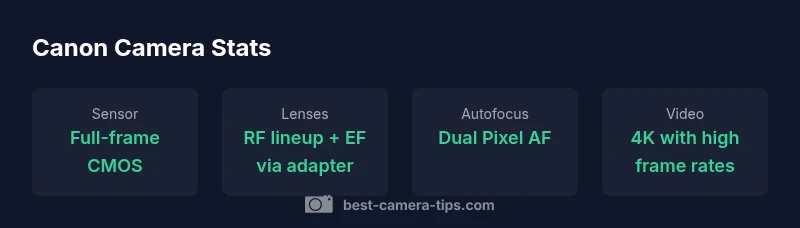
Canon's RF mount, introduced with mirrorless bodies, opened a path to compact, fast glass and modern optical design. The RF lineup covers compact primes, versatile zooms, and high end lenses that maximize image quality and autofocus performance. For those with legacy lenses, Canon offers EF and EF-S compatibility through adapters, preserving investment while enabling access to newer bodies. The adapter approach is a double edged sword: it unlocks access to a large set of lenses, but physical adapters can add length or weight and may not support all earlier features on every body. In terms of bodies, Canon's EOS R series ranges from entry level to professional grade bodies with varying ergonomics, weight, and battery life. If you value portability, consider two lighter RF models; if you prefer a rugged studio toolkit, a heavier high end body may be worth it. Battery life varies by body and usage; video tends to consume more power, so plan for extra batteries in on location shoots. In short, the RF ecosystem is a major strength, but budget and use cases should drive the precise mix of lenses and bodies.
Autofocus performance and usability in real world shooting
Autofocus is a core strength of Canon in both stills and video. Dual Pixel AF provides smooth, real time focusing in live view and video, with reliable tracking for moving subjects. Eye detection works well for portrait work, and animal detection broadens the toolbox for nature shooters. In practice, AF performance is strongest in well lit scenes; low light can still challenge any system, so keeping a bright prime or fast zoom on hand helps. Menu systems tend to be straightforward, with guided modes that help beginners learn composition, exposure, and white balance. For pros, customizable buttons and robust firmware updates offer a path to fine tune behavior under different shooting conditions. In field tests, Canon bodies often held focus more consistently on mid distance subjects compared with some competitors, though real world results vary by lens choice and subject motion. If you shoot sports, wildlife, or fast action, test a few lenses with your chosen body to gauge shutter-lag, AF speed, and tracking reliability before committing.
Video capabilities and workflow for creators
Canon has long been a staple in video workflows thanks to color science and Dual Pixel AF. Many EOS R models offer high quality 4K capture, reliable autofocus during push-in focus pulls, and progressive color grading options for editing. Canon's log profiles, when available, help in matching footage to other cameras or in post production pipelines. For creators, the ecosystem extends beyond the body to lenses that stay sharp at wide apertures, and third party accessories that expand stabilization and input options. Starting with a mid range body and a versatile zoom is a wise choice for vloggers and documentary makers, while aspiring cinema shooters may explore higher end models with cinematic scanning options. A practical tip is to invest in a good external microphone, lighting, and a sturdy head for stable shots. Remember to monitor heat and battery life during long shoots, and consider firmware updates that optimize codecs or autofocus behaviors in newer releases. The end result can be highly professional with disciplined workflow.
Who should consider Canon: beginners, enthusiasts, and professionals
Canon suits a broad spectrum of photographers. Beginners benefit from predictable menus, guided modes, and in camera features that simplify learning. Enthusiasts and hobbyists can enjoy the balance of high image quality, a growing lens lineup, and reasonably solid resale value. Professionals who depend on color consistency and a versatile lens ecosystem often find Canon systems reliable for studio work, events, and travel. The decision hinges on your preferred style, what lenses you already own, and whether you value color science or weight. If you shoot people and fashion, Canon's skin tones and portrait lens options are appealing. If you prioritize wildlife or sports, test telephoto glass and AF performance with your typical subjects. Also consider long term costs, such as new RF lenses and batteries, as part of budgeting. The key is to try several bodies and lenses in real-world settings and compare how they feel in your hands, as ergonomics and autofocus behavior matter as much as totals on a page.
Drawbacks and how to mitigate them
Every system has trade offs and Canon is no exception. Price is a common barrier for new buyers, particularly when you consider RF lenses and the higher cost of premium bodies. System weight is another factor for travel and location work, where lighter rivals might reduce fatigue. Battery life on some models remains average or improved only with newer iterations; carrying extras is a sensible plan. Another potential drawback is the learning curve around newer menus and settings for those transitioning from older Canon bodies or from rival brands. Mitigation strategies include starting with a kit that matches your budget, gradually expanding to essential lenses, using external battery grips, and taking advantage of Canon's firmware updates that improve autofocus and color performance. If you rely on EF glass, keep the adapter option in mind, but test stability and compatibility for your typical workflow to ensure a smooth transition. With careful planning, you can build a capable kit that hits your goals without overspending.
How to pick your Canon setup: a practical decision guide
Begin by clarifying how you shoot most often: portraits, landscapes, video, or hybrid work. Then set a budget that includes both body and essential lenses. For travel and street work, a compact RF body with a versatile zoom can cover many scenarios; for portraits, a fast 85 or 50 mm prime and a mid range zoom provide control over depth of field. If you already own EF lenses, consider whether an adapter suits your needs or if you should plan to upgrade those lenses gradually. Create a wishlist and test two or three bodies with at least one common lens to compare grip, AF behavior, and color rendering. Finally, read current reviews and watch hands-on videos to see how each model handles in real world conditions. The aim is to balance cost, ergonomics, and performance with your preferred shooting style. A thoughtful selection process reduces the risk of buyer’s remorse when you invest in Canon gear.
How we test Canon cameras: our evaluation approach
Our review process considers real world tests, field conditions, and long term durability. We evaluate image quality by shooting RAW with standard and creative profiles, then reviewing color, dynamic range, and noise at various ISO levels. Autofocus performance is tested on stationary subjects, moving subjects, and in challenging lighting, using both stills and video. Build quality and weather sealing are inspected through handling sessions and simulated field use. Battery life is measured with typical shooting, video, and standby scenarios. Ergonomics are judged by long sessions to gauge comfort, menu responsiveness, and customization ease. We also compare Canon against peers by running identical scenarios with rival brands to highlight strengths and weaknesses. Finally, we provide practical guidance on which Canon kit aligns with different budgets, genres, and levels of commitment. This approach aims to help aspiring photographers and home security enthusiasts decide with confidence.
Canon vs the competition: where it stands in 2026
Canon remains a formidable competitor in the camera market due to its mature lens system, reliable autofocus, and consistent color rendering. In stills, Canon often excels at skin tones and straightforward exposure that reduces post processing time. In video, Dual Pixel AF and Canon color science remain strong, though some rivals may edge ahead in video specific features or weight efficiency. The decision often comes down to what you value most: if you want a broad, well supported ecosystem with long term availability of lenses and strong resale value, Canon is a safe bet. If your priority is cutting edge autofocus performance, extreme low light, or the lightest possible gear, you may prefer particular Nikon or Sony systems. For home security and surveillance applications, Canon's ecosystem is reliable when paired with the right lenses and accessories. The key is to try gear in your typical setup and consider how future lens purchases will fit your budget. In 2026, Canon's ongoing firmware updates and expanding RF lineup keep it as a strong option for both newcomers and seasoned shooters.
Positives
- Broad lens ecosystem from affordable primes to professional teles
- Reliable autofocus performance across stills and video
- Strong color science and skin tones straight out of camera
- Solid beginner-friendly menus and guided shooting modes
Downsides
- Premium pricing for bodies and RF lenses
- System weight can be heavier compared to some rivals
- EF lens adapters add bulk and may limit some features
Best all-around choice for photographers who want a robust lens ecosystem and dependable autofocus.
Canon offers strong image quality, a versatile lens lineup, and reliable performance for stills and video. While costs and weight can be a consideration, the long term value and firmware improvements make Canon a safe, practical choice for most users.
Common Questions
Is a Canon camera good for beginners?
Yes, Canon offers beginner-friendly bodies with intuitive menus, reliable autofocus, and helpful learning features. Many entry level models provide guided modes to help you learn exposure, composition, and white balance.
Yes, Canon is a solid starting point for beginners thanks to friendly menus and dependable autofocus.
Mirrorless or DSLR with Canon—what should I choose?
For most buyers today, Canon's mirrorless EOS R models are the future, offering compact bodies and modern autofocus. DSLR remains viable if you already own EF lenses or prefer traditional ergonomics.
Go mirrorless if you can; it’s Canon's current direction, especially with newer lenses and video features.
Are Canon cameras good for video work?
Canon provides solid video options with reliable autofocus and color science across many EOS R models. Check model specifics for resolution, frame rates, and RAW capabilities.
Yes, Canon video is strong, particularly with Dual Pixel AF and color quality.
What is a good starting Canon setup for a beginner?
Start with an entry level mirrorless body and a versatile kit lens. Add a second lens later based on your subjects, and budget for extra batteries.
Begin with a light body and kit lens, then expand as you shoot.
How does Canon compare to Nikon and Sony?
Canon excels in color science and ecosystem size, while Nikon and Sony may lead in autofocus specifics or weight efficiency in certain scenarios. Your choice should match your priorities.
Canon shines in color and lenses; others may win on speed or lightness for particular uses.
Can I use my EF lenses on new Canon bodies?
Yes, Canon provides adapters to use EF and EF-S lenses on EOS R bodies, preserving your glass while upgrading bodies, with some feature caveats based on model.
Yes, you can use EF glass with adapters, just check compatibility for your workflow.
The Essentials
- Assess your budget with lens costs in mind
- Leverage Canon's RF ecosystem for future growth
- Test autofocus and color rendering on your typical subjects
- Consider EF glass via adapters if budget constraints exist
- Plan for extra batteries and weight in travel setups